QR Ph now dominates PayMongo payments
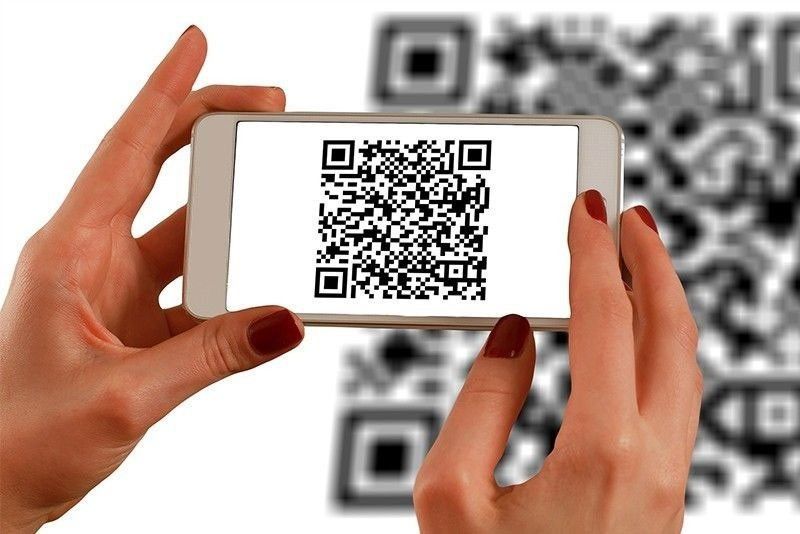
MANILA, Philippines — QR Ph has overtaken cards and e-wallets as the top payment channel among businesses using PayMongo, as more Filipino merchants shifted to mobile-native payment methods from January to June.
Data from PayMongo Group showed that QR Ph accounted for 55 percent of all payment volume on its platform during the six-month period, up sharply from 16 percent in the same period last year. This represented a year-on-year growth of more than 510 percent.
The fintech firm said the shift marked a major turnaround from 2025, when cards led the platform with a 38-percent share of payment volume. Cards fell to 19 percent this year and declined by eight percent in absolute volume, while e-wallets dropped to 21 percent from 35 percent.
Direct online banking also weakened, with its share falling to four percent from 10 percent. PayMongo said online banking volume declined by 26 percent year-on-year. Other payment methods, including buy-now, pay-later options, accounted for less than five percent of payment volume.
Overall, PayMongo processed nearly 10 million completed transactions in the first half, up by 89 percent from almost 5.2 million transactions in the same period last year. Its active merchant base also grew by 93 percent.
“QR Ph and e-wallets combined account for 76 percent of total payment volume and nine in 10 transactions, a signal that Filipino merchants are becoming mobile-first,” PayMongo said in its report.
The company said the rise of QR Ph reflected the growing preference among small businesses and consumers for simple, interoperable payment options. QR Ph allows merchants to accept payments from participating banks and e-wallets using a single QR code, reducing the need to manage several terminals or apps.
Despite the decline in share, cards remained relevant for larger purchases. PayMongo said card payments accounted for only seven percent of all transactions, even as they made up 19 percent of payment volume, indicating that cards are still commonly used for high-ticket purchases, corporate expenses and one-time large payments.
By contrast, everyday payments such as sari-sari store top-ups, food delivery orders and utility bills have increasingly moved to QR and wallet-based channels, the company said.
PayMongo also noted stronger demand from merchants that do not have dedicated technical teams. Shopify merchants using the platform grew by 18 percent year-on-year, while their payment volume rose by six percent.
Its no-code product, PayMongo Pages, also allowed merchants to collect almost P1 billion in payments without building their own checkout systems.
The shift was also visible in physical stores, with merchants using PayMongo’s in-store QR Ph product more than doubling from a year earlier. In-store QR Ph transactions more than tripled, extending the same QR infrastructure used in online commerce to retail shops, food businesses and service providers.
PayMongo said its data covered internal transaction records in the Philippines from January to June 2026, compared with the same period in 2025.


- Latest
- Trending