A call to prepare for El Niño


El Niño is rapidly developing and the time to prepare is now.
International reports note that the World Meteorological Organization (WMO) has issued a clear warning: driven by unusually warm ocean waters, El Niño is expected to push global temperatures higher and intensify extreme weather patterns in the months ahead.
Closer to home, local weather bureau PAGASA has also confirmed that El Niño conditions are already present. Earlier this month, PAGASA announced an 80 percent probability that current conditions will develop into a full-blown El Niño event that may persist until early 2027. The bureau also warned that El Niño could become a “strong” to “very strong” event by the end of the year.
El Niño is associated with below-normal rainfall, prolonged dry spells and drought in the Philippines. However, PAGASA said above-normal rainfall may still occur in parts of the country during the southwest monsoon season. This will most likely result in above average rainfall in parts of the country — likely triggering floods. The scenario paints a picture of extremes — dry spells and flooding — that must be managed cautiously and immediately.
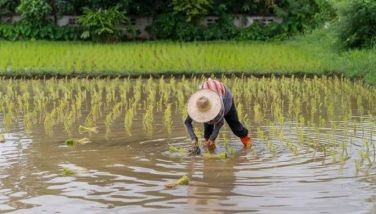
Agriculture is always among the hardest hit during El Niño. Reduced rainfall means lower yields and higher risks of crop failure, which is expected to lead to price hikes. Rice, our staple food, is particularly vulnerable. In May, the Department of Agriculture warned that a severe El Niño could reduce the national rice output by as much as 700,000 metric tons.
The agency has since been proactively implementing programs to support farmers and fisherfolk to minimize the expected impact of the severe weather pattern. At this point, equipping farmers with tools and knowledge on how to cope with dry spells is a must. Simultaneously, consumers must prepare for possible price hikes of food items. Food waste should be minimized and communities should be encouraged to buy directly from farmers to support local agriculture.
Water scarcity is another looming threat. With the expected reduced rainfall, dams and reservoirs are under pressure to ensure sufficient supply. Water districts must intensify conservation campaigns, reminding households to fix leaks, reuse water where possible and avoid wasteful practices. Local government units (LGUs) should activate rain harvesting systems as a contingency measure for possible water shortage. We have seen it in the past when households had to line up for water rations and farmers had difficulty ensuring sufficient irrigation.
A practical model can serve as a reference. In Sitio Central, Mulanay in Quezon, a five-kilowatt solar-powered system now runs water pumps serving more than 300 households through the One Meralco Foundation’s Water Access Electrification program.
What once required long trips to fetch water is now a reliable, daily supply. This is the kind of solution worth scaling — one that is simple, local and resilient. Solar-powered water systems reduce dependence on costly fuel and the electricity grid while ensuring access to clean water, even in remote areas. Similar projects are also in place in Bulacan and Palawan, showing that this model is both proven and adaptable.
Public health systems must also be ready to respond to heat-related illnesses and typhoon-related diseases. Extreme heat can increase the risks of dehydration, heat stroke and respiratory problems. Meanwhile, typhoons and flooding can increase the risks of leptospirosis, diarrhea, dengue and skin diseases.
Communities should embrace preventive measures such as ensuring clean surroundings, proper waste disposal, clean water storage and hygiene campaigns to minimize the risks of diseases.
Equally important is the protection of vulnerable sectors. PAGASA has noted that older adults like yours truly, are at higher risk of heat-related illnesses driven by high temperatures. There should be plans also for the likes of us such as cooling centers and accessible health care. Community support systems must also be prioritized.
Through all of these, government support and intervention are crucial. The Department of Agriculture earlier reactivated the El Niño Task Force to ensure food security. The support of LGUs is equally important to ensure that communities are prepared to cope with the expected challenges of El Niño.
Raising awareness of the possible impacts of El Niño is a must. While greater attention and focus is given to political squabbles, the looming climate crisis deserves equal (if not greater) urgency. The possible impact of a prolonged El Niño should be highlighted in information campaigns so that households can practice prudent use of resources, schools should teach children the value of conservation and businesses can adopt energy efficiency practices and water-saving technologies.
The El Niño phenomenon is not new, I have in my lifetime experienced it come and go. But what is different now is its impact, especially to the most vulnerable. We must all do our part to prepare for it. The time for informed decision-making is now.





- Latest
- Trending