DA unit seeks P1.5 billion to fund food safety labs
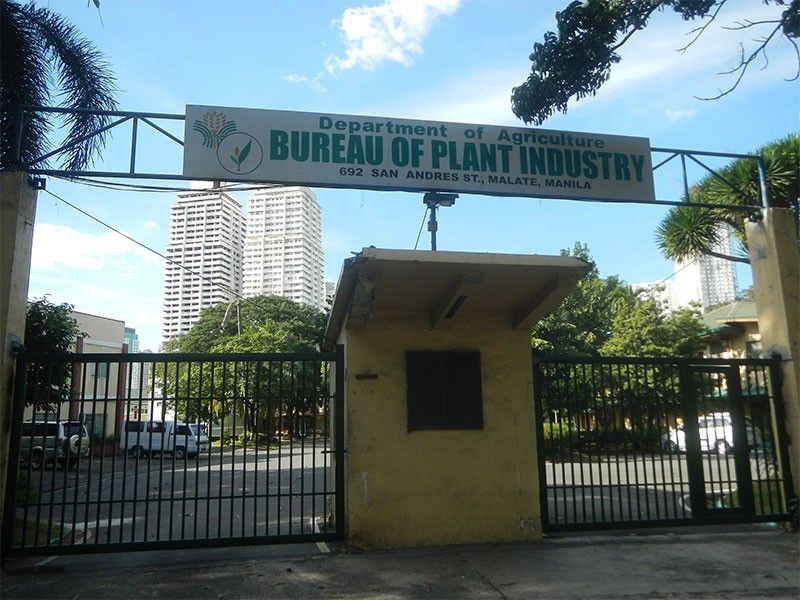
MANILA, Philippines — The Department of Agriculture’s Bureau of Plant Industry (BPI) is seeking P1.5 billion in funding to put up several food safety laboratories throughout the country.
BPI director Gerald Glenn Panganiban told reporters the agency is looking for funding to establish 10 food safety laboratories, with an integrated nitrate-nitrite detecting unit.
The laboratories are aimed at modernizing quality assessments of crops and ensure that products meet international and local standards.
He said that the facilities will be used to detect microbiological contaminants, pesticides and chemical residue, and it will also be used to detect if products meet local agricultural standards and food safety.
The BPI is also planning to procure more rice quality analyzers (RQA) to improve the agency’s efforts to enforce Philippine rice standards and establish technical benchmarks that would distinguish locally produced rice from its imported variant.
Panganiban added that the BPI is looking to put up rice analysis facilities in Quezon City, Cebu, Baguio, Davao and Cagayan de Oro. The facilities will be operated by the BPI’s Plant Product Safety Services Division.
He said that the RQA would evaluate grain size, percentage broken, milling degree, average length-width ratio, mixing rate, chalkiness rate, wax white rate, heavy chalkiness rate, chalkiness degree, embryo retention rate, yellow rice rate, dark yellow rate and spot rate.
“The generated data will also serve as technical reference in determining rice quality classification and in identifying possible indicators that may distinguish local from imported rice, subject to validation and correlation with established reference data,” he said.
Agriculture Secretary Francisco Tiu Laurel Jr. said that the rice analyzers will provide the agency more teeth against rice adulteration, mislabeling and other deceptive practices.
Data generated from the analyzers would also support enforcement actions against traders and retailers found violating rice quality, labeling and classification regulations.


- Latest
- Trending