April inflation may hit 3-year high
MANILA, Philippines — Inflation may have accelerated further in April and could hit its fastest pace in three years as oil, food and power costs rose alongside a weaker peso, according to the Bangko Sentral ng Pilipinas.
In its month-ahead forecast, the BSP said headline inflation likely settled within the 5.6 to 6.4 percent range in April.
This would be much higher than the 4.1 percent print in March. If the upper end of the BSP forecast is realized, inflation would mark its fastest pace in three years or since the 6.6 percent recorded in April 2023.
It would also be the fifth straight month of rising inflation, reflecting stronger price pressures as domestic fuel costs surged and the peso’s depreciation pushed up import costs.
“Inflation risks have intensified amid upward price pressures from significantly higher domestic petroleum prices, rising prices of key food items such as rice, fish and meat, increased electricity charges and the peso depreciation,” the BSP said.
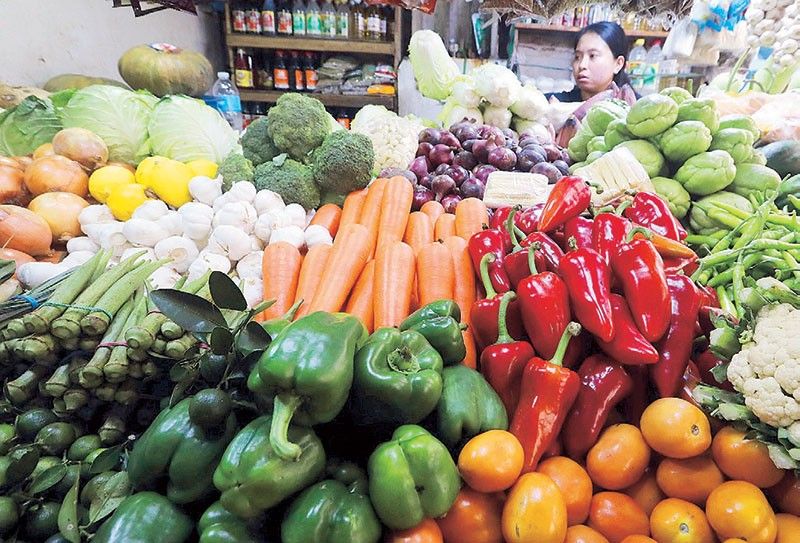
“The anticipated decline in vegetable and fruit prices may help temper inflation, but sources of upside price pressures continue to warrant close monitoring,” it added.
The BSP said it would remain vigilant and guided by incoming data, specifically on inflation and growth prospects.
“We will continue to monitor recent developments in the Middle East for their implications on inflation and economic activity,” the central bank said.
The sharper inflation outlook comes a week after the Monetary Board raised the target reverse repurchase rate by 25 basis points to 4.5 percent, marking the first rate increase since October 2023.
BSP Governor Eli Remolona Jr. earlier said the central bank is prepared to do “as many hikes as necessary” to keep inflation expectations anchored, although he also noted that the BSP does not want to tighten too much and hurt economic growth.
RCBC chief economist Michael Ricafort, meanwhile, expects April inflation to settle at 5.5 percent, slightly below the BSP’s forecast range.
Ricafort said inflation likely picked up due to second-round effects or the pass-through of higher costs to other goods and services. He also cited the record-high dollar-peso exchange rate, which raised import costs and overall inflation.
The peso has been under pressure in recent weeks amid elevated global oil prices and stronger demand for dollars.
Ricafort said lower base effects from last year may also have pushed up the headline inflation rate, while higher farmgate palay prices in recent months could translate into higher retail rice prices. He also flagged higher energy and electricity rates as another inflation driver.


- Latest
- Trending