US tariffs fail to deter investor interest in ecozone spaces
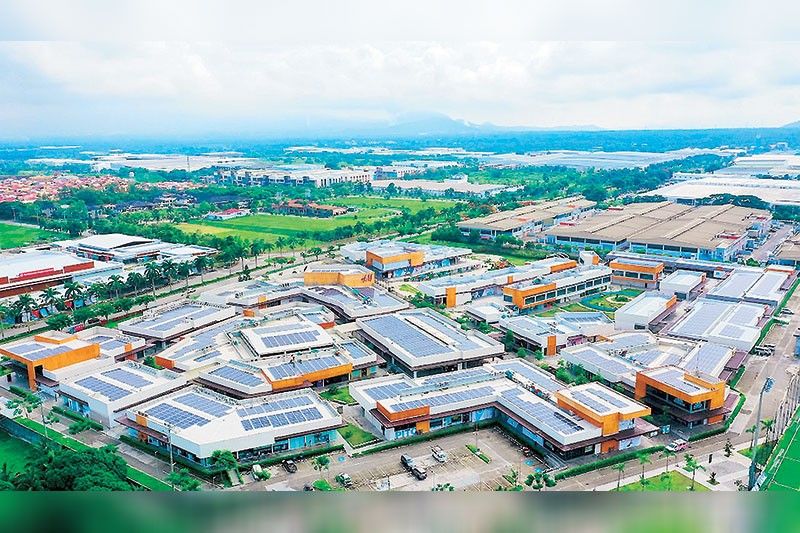
MANILA, Philippines — Investor inquiries for ecozone spaces have remained strong even as the United States has imposed reciprocal tariffs and plans to implement other protectionist policies, according to Aboitiz InfraCapital (AIC) Economic Estates.
Monica Lorenzana Trajano, vice president and head of commercial strategy at AIC Economic Estates told reporters the company has not seen a slowdown in inquiries from investors.
“It’s business as usual for us. It’s a constant flow because we’re also constantly expanding, which means when they see us, when the international locators view us, they see their ability to scale,” she said.
Trajano said foreign investors are also able to see the support provided by AIC Economic Estates for firms looking to expand.
“Tariff-wise, I wouldn’t say there is a slowdown. I think it’s still consistent, if not faster for some markets,” she said.
Trajano said firms looking to diversify operations from China are adopting the China plus one plus one strategy of considering not just one location, but even an additional one to support their operations.
While many of the foreign firms interested to locate in AIC Economic Estates’ projects are export-oriented, Trajano said these companies are also seeing opportunities in the country’s strong domestic market.
Since Aug. 7, Philippine goods entering the US are already being imposed with a 19-percent reciprocal tariff.
With US President Donald Trump announcing plans to impose tariffs on semiconductor imports, Trajano said AIC Economic Estates, which caters to many firms in the electronics supply chain, is closely monitoring the situation.
“We’re always monitoring what’s happening because things are changing every day,” she said.
As the Philippines is seeking an exemption from the tariff on semiconductors, Trajano is hopeful that the strong ties between the two countries would influence the outcome of the negotiations with the US.
AIC Economic Estates, which primarily caters to those engaged in the electronics supply chain, is also starting to see interest from other industries.
“The food industry is starting to come in and it’s a combination of local or foreign,” Nico De Leon, assistant vice president for sales and leasing, commercial strategy team at AIC Economic Estates said.
While a bill seeking to keep contact center jobs in America has been filed in the US, Trajano said they have also not seen any slowdown in inquiries from business process outsourcing firms.
Under the Keep Call Centers in America Act of 2025, firms that relocate a call center or contract call center work in another country would be ineligible for Federal grants or guaranteed loans.
In order to counter the impact of the US tariffs and increasing costs, De Leon said firms are likely to turn to outsourcing, which would benefit countries like the Philippines.
Philippine Economic Zone Authority director general Tereso Panga said the high labor cost and difficulty in sourcing local talent in the US would pose challenges for firms that plan to bring call center work in America.




- Latest
- Trending