Senators grill DENR on El Niño response
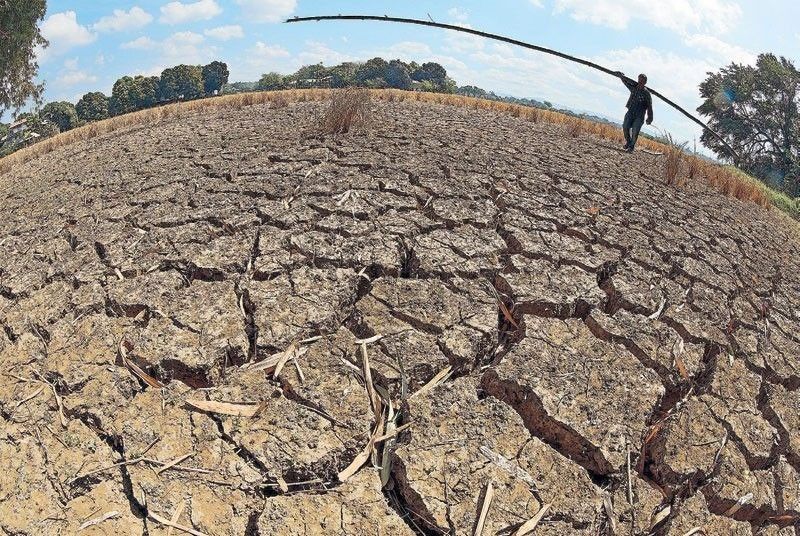
MANILA, Philippines — During the Department of Environment and Natural Resources (DENR) budget hearing yesterday, senators grilled agency officials about the country’s El Niño response, including the deployment of water impounding facilities and the closure of non-essential water services like resorts and fountains.
Sen. Risa Hontiveros led the budget hearing and asked Jose Salonga, chief of the DENR-attached agency Local Water Utilities Administration (LWUA), about its water conservation policy.
Salonga cited the LWUA memorandum circular, which considered water sprinklers on golf courses, swimming pools in water parks and fountains in resorts as non-essential water uses.
When Hontiveros asked if the LWUA can mandate their temporary closure until the “super El Niño” lapses, Salonga said the memorandum circular includes the possible temporary closure or easing of these non-essential services, but not the whole business.
The water valves of government offices may also be closed outside work hours, Salonga added.
DENR Secretary Juan Miguel Cuna said the President has directed a comprehensive communications plan for the public to be informed about water conservation.
“The President has called several times already the task force El Niño. And one of the agenda items that was taken up is a comprehensive comms plan that we’re already working on with the other agencies. So that as you said, people will know how they can contribute to at least easing the effects of the super El Niño,” Cuna said.
In an interview after the hearing, Salonga clarified that the LWUA cannot forcefully close non-essential water services like resorts and water parks.
But the agency can have these businesses reduce their non-essential water consumption for swimming pools and fountains, he added.
The Senate finance committee tackling their budget also learned from the DENR that based on their spatial assessment and geographic information system analysis, there are 34 percent or 14,434 barangays nationwide deemed “high priority” in the government’s El Niño response; 23 percent or 9,685 barangays deemed low priority and only two percent or 883 barangays deemed “not affected.”








- Latest
- Trending