'Paeng' death toll hits 72
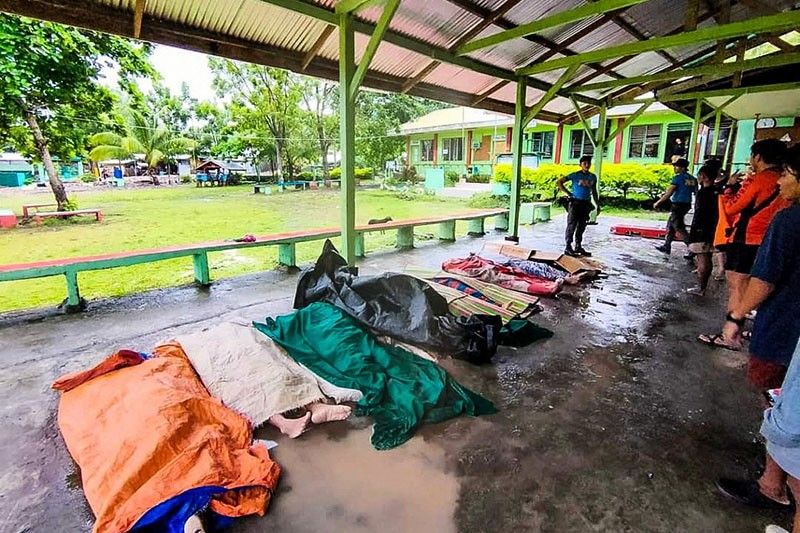
MANILA, Philippines — Severe Tropical Storm Paeng (international name Nalgae) slammed into the Philippines on Saturday, after unleashing flash floods and landslides that left at least 72 people dead, officials said.
Paeng pounded the archipelago nation's main island of Luzon with maximum winds of 95 kilometres (59 miles) an hour after making landfall on the sparsely populated Catanduanes island before dawn.
Heavy rains triggered by the approaching storm began Thursday in the southern Philippines, the state weather service said, inundating mostly rural areas on Mindanao island.
That was followed by landslides and flooding, with fast-moving, debris-laden waters sweeping away entire families in some areas.
By Saturday morning, the death toll had risen to 72, said the country's civil defense director, Rafaelito Alejandro.
At least 14 people were still missing, he added.
Rescuers are focusing on the village of Kusiong, where dozens of bodies were recovered on Friday after the floods hit.
In recent years, flash floods with mud and debris from largely deforested mountainsides have been among the deadliest hazards posed by typhoons in the Philippines.
State weather service PAGASA hoisted Signal No. 3 over Metro Manila and eight other areas as Paeng may cross the capital region and nearby provinces on Saturday until early Sunday morning.
"Based on our projections, this one is really strong so we really prepared for it," Alejandro said, adding that 5,000 rescue teams were on standby.
He urged residents in the storm's path to stay at home.
More than 7,000 people were evacuated ahead of the landfall, the civil defense office said.
The coast guard has also suspended ferry services through most of the Philippines.
The storm struck at the beginning of a long weekend in the country, when millions return to their hometowns to visit the graves of their relatives.
The Philippines is hit by an average of 20 major storms each year that kill hundreds of people and keep vast regions in perpetual poverty.
Scientists have warned that such storms, which also kill livestock and destroy key infrastructure, are becoming more powerful as the world gets warmer because of climate change.




- Latest
- Trending