Working Pinoys among top drivers of COVID-19 spike
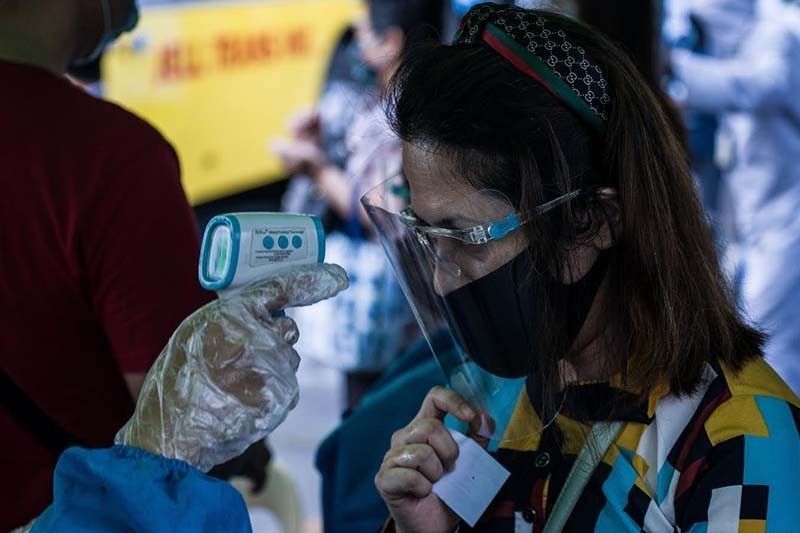
MANILA, Philippines — Working individuals may be driving the rise of COVID-19 infection in the country and even unintentionally bringing the virus to their homes, according to the Department of Health (DOH).
Health Undersecretary Maria Rosario Vergeire said those aged 20 to 49 account for a majority of the 143,749 COVID-19 cases documented by the DOH as of Aug. 12.
“Our working group are the ones who go out of the house to work. And probably we assume that they bring the infection home and part of the households are children,” she said at a press briefing.
The other sectors seen as major contributors to the rise in cases are repatriated overseas Filipino workers and locally stranded individuals.
Vergeire noted there are 3,533 cases involving children aged 10 and below and 6,249 individuals aged 10 to 19 years old.
DOH data show the 20-29 age group accounts for 37,188 cases, followed by 30-39 age group with 34,700 cases and 40-49 age group with 23,939 cases or a total of 95,827 cases.
According to Vergeire, they are already seeing a few cases of COVID-19 in families, underscoring the importance of strict adherence to the “minimum health standards” which pertain primarily to hand washing, wearing of masks and physical distancing.
But she said they are now using “other indicators” to gauge the COVID-19 situation in the country.
“Our experts are now discussing another indicator that that we can use. They think that the case doubling time (CDT) is no longer sensitive, especially if the trend of cases is rising,” she pointed out.
Aside from CDT, the government is using critical care utilization rate (CCU) as indicator in evaluating the country’s response to the pandemic.
CDT pertains to the number of days it takes the cases to double, while CCU refers to the usage of ward beds, ICU beds, isolation beds and mechanical ventilators for COVID-19 patients.
She added the DOH is now using “numbers, clustering of cases and trends per week” as indicators aside from CCU.
Currently, the country’s CCU remains in “warning zone” as it is now pegged at more than 50 percent, up from 40 percent previously.
On the other hand, the CDT nationwide is nine days.


- Latest
- Trending