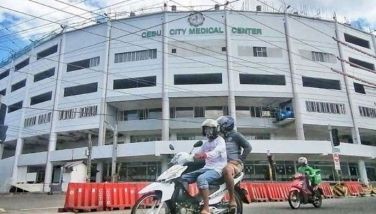
Mandaue City records 2 dengue-related deaths
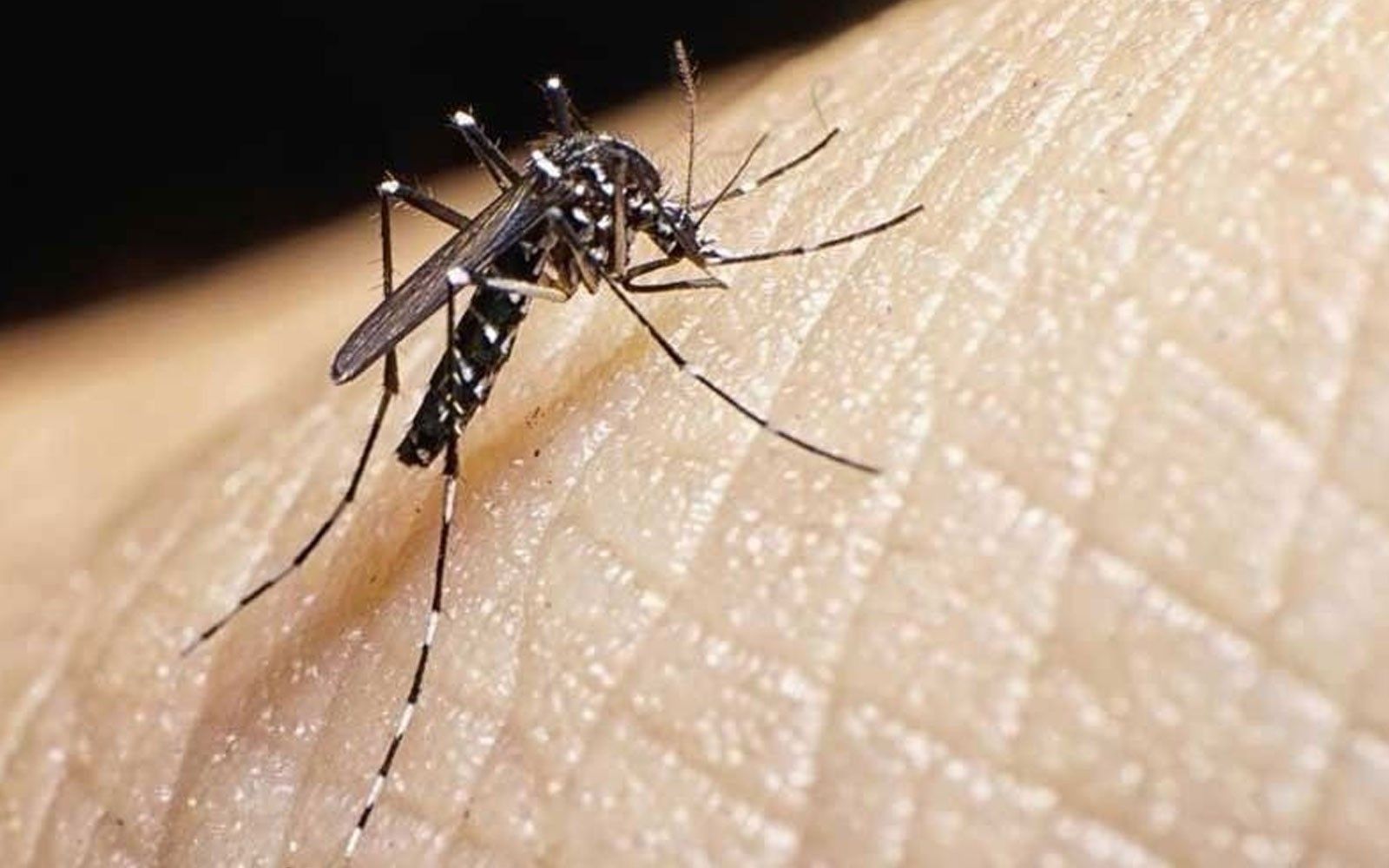
CEBU, Philippines — Mandaue City recorded two dengue-related deaths in November, prompting the City Health Office to conduct surveillance investigations in the affected barangays to identify possible mosquito breeding sites and prevent further infections.
The fatalities were residents of Barangays Tabok and Umapad, according to Dr. Debra Catulong, head of the Mandaue City Health Office (MCHO).
In an interview, Catulong confirmed that both patients were brought to the hospital and confirmed as dengue-related deaths.
“Naabotgyud to silasa hospital. Reported gyudsiya as dengue deaths,” Catulong said.
She said the city has recorded more dengue cases this year compared with the previous year, although the MCHO did not disclose the current number of cases.
“Mas taasangkasonato this year, so mas naninguha sad gyud ta ngamalikayannganaaymakalastungodsa dengue,” she said.
In 2025, Mandaue recorded 520 dengue cases and three deaths for the entire year.
Catulong said the MCHO automatically conducts surveillance investigations whenever a dengue case or death is reported to its surveillance unit.
The investigations include determining how long the patient had been experiencing symptoms, identifying possible reasons for delayed consultation, checking the surroundings for mosquito breeding sites, and educating the patient’s family and neighbors about dengue prevention.
“Ma-kaso or death banasiya, amogyudnasiyangadtuon. Automatic gyuddayon once reported sa system, adtuonnadayonna,” she said.
She stressed that every dengue case was surveyed by a team to assess the affected communities and encourage residents to seek medical attention as soon as symptoms appear.
Catulong urged residents to observe the Department of Health’s (DOH) 4S strategy against dengue, emphasizing that eliminating mosquito breeding sites remains the most important preventive measure.
The 4S strategy includes search and destroy, seek early consultation, self-protection measures, and support fogging or spraying in hotspot areas.
Under the search-and-destroy campaign, residents are encouraged to regularly clean their surroundings and remove stagnant water, garbage, and other materials where mosquitoes may breed.
“Search and destroy maogyudnaangpinakaimportante kay kung walay breeding sites, walaymabuhinga mosquitoes,” Catulong said.
She also advised residents to seek medical consultation immediately when they experience fever, particularly within the first two days, so doctors can assess their condition and determine whether laboratory examinations, medication, or additional fluids are needed.
For personal protection, residents are encouraged to use Food and Drug Administration-approved mosquito repellents and wear clothing that covers exposed skin.
Fogging and spraying, meanwhile, are recommended only in areas identified as dengue hotspots, particularly when there is an outbreak of cases.
Catulong said the MCHO outpatient department and the Mandaue City Hospital have also established dengue fast lanes to prioritize patients showing possible symptoms of the disease.
Patients with fever or a concerning history of fever are given priority for consultation, with laboratory examinations and medicines provided free of charge.
Aside from hospital-based interventions, the health office continues to conduct community lectures and household visits to raise awareness about dengue prevention.
Catulong said the surveillance team also checks the homes and surroundings of affected families, including neighboring households, to determine whether mosquito breeding sites are present.
The Barangay Dengue Brigades also remain active in the city’s 27 barangays, implementing community-based plans and organizing cleanup drives to remove stagnant water and accumulated garbage.
“Mutabangsilaunsaonpag-encourage og cleanup drives, paglimpyosatubigngamagpundok, mga garbage nganagpundo kay anha man gudnagsugod,” she said.




- Latest