UN: Half the world not prepared for disasters
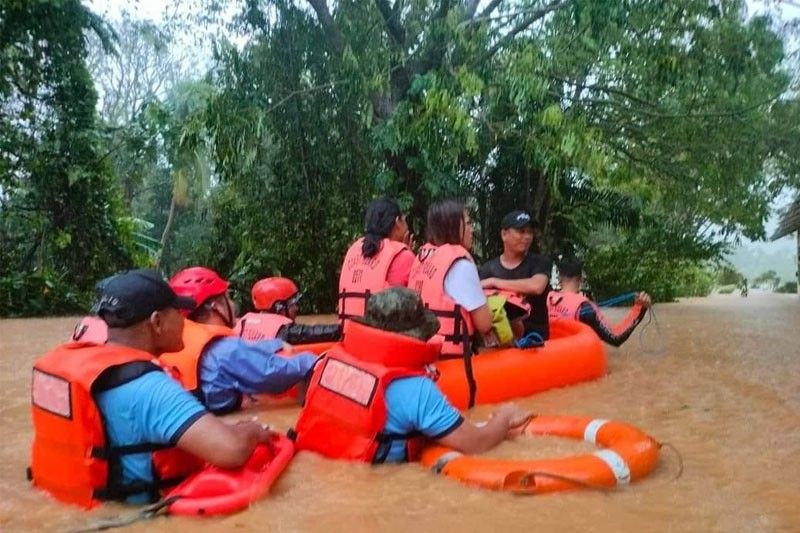
MANILA, Philippines — With half of the world not protected by multi-hazard early warning systems, developing countries on the frontlines of climate change count among those least prepared for disasters and where mortality rates can be eight times higher, a United Nations agency warned.
According to the Global Status of Multi-Hazard Early Warning Systems – Target G report released by the UN Office for Disaster Risk Reduction and the World Meteorological Organization (WMO), less than half of the Least Developed Countries and only one-third of Small Island Developing States have a multi-hazard early warning system.
Analyzing latest data, the report showed that countries with limited early warning coverage have disaster mortality that is eight times higher than countries with substantial to comprehensive coverage.
“The world is failing to invest in protecting the lives and livelihoods of those on the frontline. Those who have done the least to cause the climate crisis are paying the highest price,” said UN Secretary-General António Guterres.
He called on all countries to invest in early warning systems: “Extreme weather events will happen. But they do not need to become deadly disasters.”
WMO was asked to spearhead new action to ensure that every person on Earth is protected by early warning systems in the next five years.
Early warning systems are a proven means to reduce harm to people and damage to assets ahead of impending hazards, including storms, tsunamis, droughts and heatwaves.
Multi-hazard early warning systems address several hazards that may occur alone, simultaneously, or cascadingly. Many systems only cover one type of hazard – like floods or cyclones.
As climate change causes more frequent, extreme, and unpredictable weather events, investment in early warning systems that target multiple hazards is more urgent than ever.
This is because of the need to warn not only against the initial impact of disasters, but also second and third-order effects. Examples of these include soil liquefaction following an earthquake or a landslide, and disease outbreaks following heavy rainfall.
WMO Secretary-General professor Petteri Taalas said the number of recorded disasters has increased fivefold, driven in part by human-induced climate change and more extreme weather.
Taalas said this trend is expected to continue, noting that early warning systems are a proven and effective climate adaptation measure to save lives and money.
“But we can and must do better. We need to ensure that early warnings reach the most vulnerable and that they are translated into early action,” Taalas said. “This is why WMO is spearheading a UN initiative on Early Warnings for All in the next five years.”
The report recommends investment in all elements of early warning systems, but particularly in risk knowledge to better plan early warning systems and in building the capacity of at-risk communities for early action.
It also recommends investing in enhanced data and better access to technology for stronger hazard monitoring, faster communication of warnings, and better tracking of progress.
Implementation of the report’s recommendations by donors and countries would support the realization of the UN secretary-general’s call that every person on the planet be covered by an early warning system in the next five years.





- Latest
- Trending