


3 barangays tagged ASF hotspots
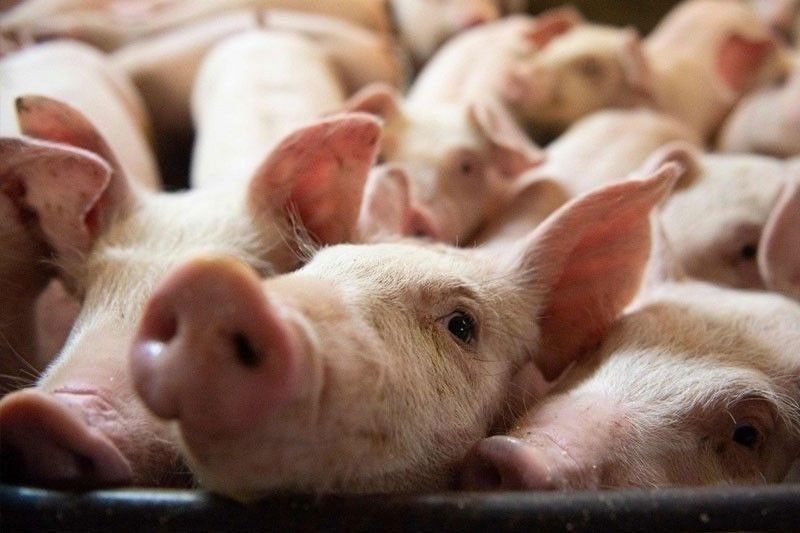
CEBU, Philippines — At least three barangays in Cebu City—Pamutan, Toong and Buhisan—have been declared hotspots for African Swine Fever (ASF) after 14 hogs were confirmed dead and at least 52 others tested positive.
Police personnel have been deployed in the affected areas to enforce strict isolation and prevent the movement of potentially infected animals.
Kenneth Siasar, Mayor Nestor Archival’s chief of staff, said the city had extended border controls in the upland barangays following the surge in cases.
“Walay makasulod, walay makagawas. Naa tay gibutang nga PNP aron malikayan nga makagawas ang hayop diha o makasulod ang bag-o,” he explained, stressing that containment is now the top priority.
Siasar confirmed that more than 50 pigs had already been culled or isolated.
“So far, naa tay 50 plus nga atong i-move out or i-separate sila… hot spot ang Toong, Buhisan, and Pamutan,” he said.
Burial sites for dead hogs were coordinated with the Department of Public Works and Highways (DPWH) to ensure proper disposal.
The Department of Agriculture (DA) has assured indemnification assistance for registered raisers, with compensation rates ranging from ?4,000 for piglets, ?8,000 for growers, and ?12,000 for breeders and finishers.
“That is from the Department of Agriculture, mao na sila atong guidelines nga simbako kung madiskrasya man ang ilahang hayop, at least naay makuha,” Siasar said.
However, some raisers were not registered under the Registry System for Basic Sectors in Agriculture (RSBSA) or Animal Facility Registration, making them ineligible for DA assistance.
“Unfortunately, katong mga biktima nato nga baboy, ang uban nato dili man rehistrado. So, naay wala matagai og ayuda,” Siasar admitted, adding that the city is coordinating with the Department of Social Welfare and Development (DSWD) for possible assistance under its Assistance to Individuals in Crisis Situations (AICS).
The DA’s administrative order on cash assistance for farmers affected by emerging and transboundary animal diseases outlines eligibility rules, compensation rates and documentary requirements.
Farms registered under RSBSA are prioritized, while nonregistered farms must provide proof of ownership. Assistance is capped at ?50,000 per farm, with rates varying by species and category.
The order also mandates disease investigation, laboratory confirmation and proper documentation before indemnification. Random validation teams from the Bureau of Animal Industry (BAI) and DA regional field offices are tasked with ensuring transparency.
Farmers may appeal denied claims through the BAI director and, ultimately, the DA secretary.
To cushion the impact on affected raisers, Cebu City has distributed 30 cockerels to backyard raisers and is preparing to provide ready-to-lay poultry with the help of private partners.
“Alternative nga panginabuhian aron matagaan sila og lain nga income,” Siasar explained.
Disease surveillance and biosecurity seminars are also being conducted to educate farm owners and prevent further spread.
ASF is a highly contagious viral disease that affects domestic pigs and wild boars. It causes severe hemorrhagic fever in swine, with mortality rates that can reach 100 percent.
ASF does not infect humans and poses no food safety risk, but it spreads rapidly among pigs through direct contact, contaminated feed, farm equipment and even clothing.
The disease has no cure or vaccine, making culling and strict biosecurity key measures in containing outbreaks.
Since its detection in the Philippines in 2019, ASF has devastated the hog industry nationwide, prompting mass culling operations and causing billions of pesos in losses.
In July, suspected cases were also reported in southern barangays, prompting Archival to issue Executive Order No. 86, temporarily banning the entry and exit of live hogs and pork products.
The Department of Veterinary Medicine and Fisheries (DVMF) subsequently enforced stricter biosecurity rules, requiring veterinary health certificates, shipping permits and ASF-negative test results for hogs entering the city.
Siasar said suspected cases were linked to hog traders.
“Kasagaran gud, kani bitaw’ng mga ahente og baboy nga moisud from other municipalities… mao may nagdala sa sakit,” he said, stressing that ASF spreads through infected animals and contaminated products. — (FREEMAN)


- Latest