DFA rejects ombudsman’s call to stop processing visas
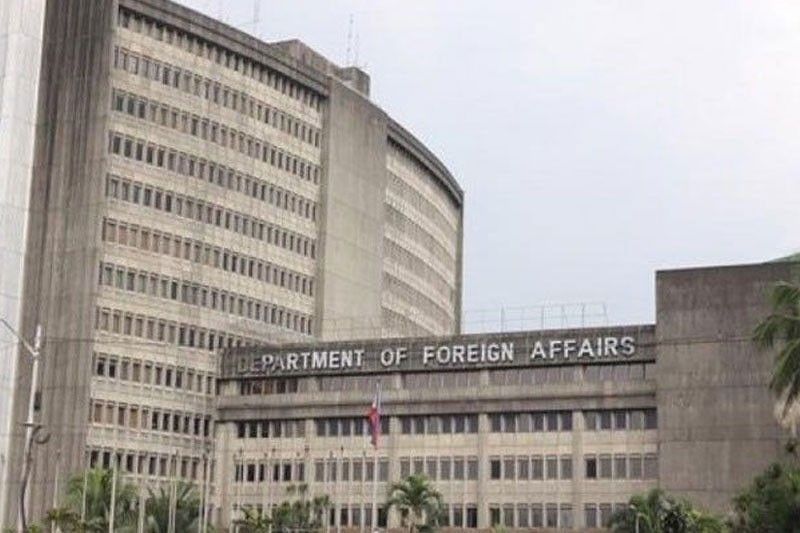
MANILA, Philippines — Saying it does not tolerate corruption, the Department of Foreign Affairs yesterday opposed Ombudsman Jesus Crispin Remulla’s call to strip the DFA of its function of processing visas.
Remulla said on Satuday that the DFA has turned visa issuance into a business. He said it is not the DFA’s responsibility to process visas.
“Remulla’s public remarks undermine the institutional integrity of the department and unfairly malign the reputation of the Philippine foreign service and its personnel,” the DFA said.
It pointed out that the agency’s mandate to process and issue visas is grounded on both domestic law and international convention.
Section 21(3), Chapter 7 (The Foreign Service), Title I, Book IV of Executive Order 292, or the Administrative Code of 1987, recognizes visa issuance as a statutory consular function.
Under the Vienna Convention on Consular Relations of 1963, Article 5(d) provides for the issuance of visas or other travel documents as a consular function. Articles 3 and 70 recognize the exercise of consular functions by diplomatic missions.
“Contrary to the characterization of visa processing as merely a clerical function, the issuance of visas involves the substantive assessment of applications and verification of documents,” the DFA said. “These responsibilities require the exercise of official judgment pursuant to the applicable Philippine laws and regulations, and cannot be reduced to the administrative receipt and processing of documents.”
While the DFA recognizes that administrative support services may be provided by third parties, such as visa facilitation service or VFS, primarily in the receipt of applications, the department said that outsourcing of administrative services does not mean the transfer of sovereign authority to approve or deny visas.
The DFA said VFS is a private outsourcing company that handles the administrative tasks for visa and passport applications in behalf of over 65 foreign governments.
“It does not approve or deny visas. All final decisions, document requirements and processing times are handled by the respective state embassy or consulate,” the DFA said. “This authority remains a government responsibility, as exercised by the Philippine embassies and consulates.”
The visa fees collected are pursuant to applicable laws and regulations, the DFA said.
“The DFA remains committed to accountability, transparency and utmost professionalism in the delivery of public service,” the department said. “It will continue to faithfully discharge its statutory responsibilities and uphold the integrity of Philippine visa issuance in the best interest of the country and the people.” — Ghio Ong








- Latest
- Trending