As executive officials skip Cha-cha hearings, senators float switch to parliamentary gov't
MANILA, Philippines — Arguing that a parliamentary system will prove to be better at exacting accountability from officials, some senators pushed for a shift to this form of government as they expressed dissatisfaction at the failure of executive branch officials to show up at hearings on proposals to change the Constitution.
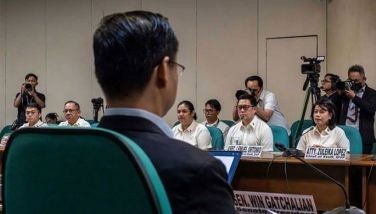
Sen. Robinhood Padilla, chairperson of the constitutional amendments and revision of codes panel, fumed during the third hearing on Charter change on Friday as he said officials invited from the executive branch, including those from the Department of Energy and the National Economic and Development Authority, excused themselves from attending.
“Kapag iniimbita sana itong mga taga-executive, sana po ay mapagbibigyan niyo kami sapagkat hindi naman po kami dito mga Marites o Parites. Iyon pong aming gusto namin, kasama po kayo, ay patungkol po sa Konstitusyon. Itong bagay na ito ay hindi po ito isang bagay na isinasantabi sapagkat po Saligang Batas po ito,” Padilla said.
(When we invite these people from the executive, hopefully you would grant our request because we are now rumor mongers here. What we want is for you to join us in discussions on the Constitution. This thing is not something that we should set aside because we’re talking about the fundamental law.)
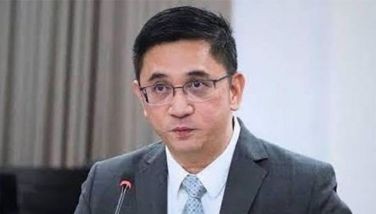
For one, Energy Secretary Raphael Lotilla excused himself from attending the hearing through a letter where he said that his department has yet to study proposals to change the Constitution.
Dismayed
Padilla said he is dismayed at the “difficulty” in inviting resource persons from the executive branch to join hearings on Charter change when the Senate should be accorded courtesy as an equal branch of government.
“Sumasama ang loob ko. Kaya ang nangyayari, pinipilit kong baguhin natin ito. Kasi kung ganito ang sistema na para tayong nagmamakaawa dito sa executive para lang makasama natin, eh sana mag-parliamentary lang tayo. Dahil sa parliamentary, obligado silang humarap at iisa na ang executive at ang legislative,” Padilla said.
(I feel dismayed. Because what happens is that I am forced to change this. If this is the system where we beg the executive to join us, then we should just shift to a parliamentary system. In a parliamentary system, they are obliged to face us because the executive and legislative are one.)
He added, “Ang akala ko kaalyado namin itong mga nasa executive. Kung kaalyado namin kayo, eh siputin niyo kami!”
(I thought we were allied with the executive. If you are our allies, show up!)
Padilla was backed by senators present at the start of the hearing, including by Sen. Ronald dela Rosa who stressed that the executive should not think it is more powerful than the legislative.
“Hindi niyo po kami bata-bata. Kami po ay co-equal ninyo. Kaya we deserve your attention. Huwag niyo po kaming isnabin palagi dahil baka isipin niyo you are over and above the legislative branch of government,” Dela Rosa said.
(We are not your subordinates. We are co-equal with you. That’s why we deserve your attention. Don’t snub us always because you might think you are over and above the legislative branch of government.)
No clear guidance from Marcos
Senate Minority Leader Aquilino Pimentel III meanwhile said that shifting to a parliamentary form of government could lead to better implementation of policies.
Pimentel added that shifting to a parliamentary system would put an end to finger pointing when policies fail or are not implemented properly.
“In a parliament system, there is no escape. It’s the government of the day which is determined by the majority in parliament,” he said partly in Filipino.
Tweaks to the Constitution have been pushed under every administration after President Corazon Aquino, including proposals to shift to a parliamentary form of government, but none of them have been successful so far mainly due to opposition sparked by insinuations that government officials are trying to keep themselves in power.
President Ferdinand Marcos Jr., the chairperson of Partido Federal ng Pilipinas which backs the creation of a federal state, has acknowledged that this is the major barrier to constitutional reform, even as he said that federalism best fits the country.
Still, Marcos has not given any indication whether he supports moves to amend or revise the Constitution, but its absence from his first State of the Nation Address is telling.







- Latest
- Trending