


Hard GCQ, other new terms to cause confusion – senator
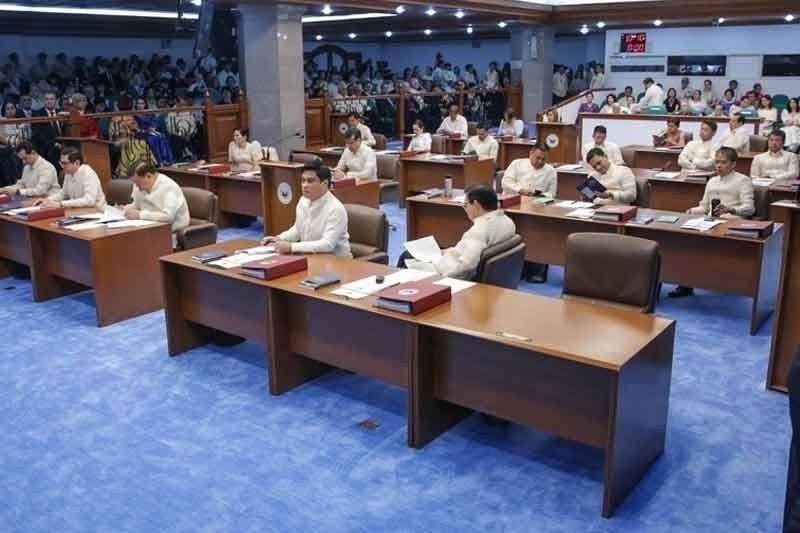
MANILA, Philippines — Using new terms such as “hard GCQ” and “soft MECQ” will just confuse people and result in more non-compliance with the rules, Sen. Sherwin Gatchalian said.
The UP OCTA Research Team, a group of experts monitoring the COVID-19 situation in the Philippines, is proposing the implementation of “hard general community quarantine” (hard GCQ) or a “soft modified enhanced community quarantine” (MECQ) in a move to contain the current surge of cases in the country.
“Inventing new terms such as ‘hard GCQ’ and ‘soft MECQ’ will just confuse people and result in more non-compliance of the rules. People are used to GCQ and MECQ. Let’s just stick to that,” Gatchalian said.
“If you remember last year’s reversion to MECQ halted the sudden spike of the virus. But MECQ is economically painful. Instead, LGUs should be very quick and strict to do localized lockdowns and they should also not allow home quarantine. Done strictly, the LGU-led lockdowns can be effective in curbing the spike we are experiencing now,” he added.
Professor Ranjit Rye of the UP OCTA Research Team said that while following minimum health public standards is important, this approach alone would not be enough to contain the surge in COVID-19 cases.
“The purpose of our circuit breaker proposal or you can call it a ‘hard GCQ’, ‘soft ECQ’ or whatever name the government decides to use moving forward, it has to have the impact of reducing the (reproduction rate),” Rye said.
“Because if we reduce the (reproduction rate), which is now at 1.9, to something like 1 in the next two to four weeks, it’s going to eventually lower infections. It will have a definite impact on hospitalization and deaths,” he added.








- Latest
- Trending


