Ronnie Liang warns against AI love scam using his identity
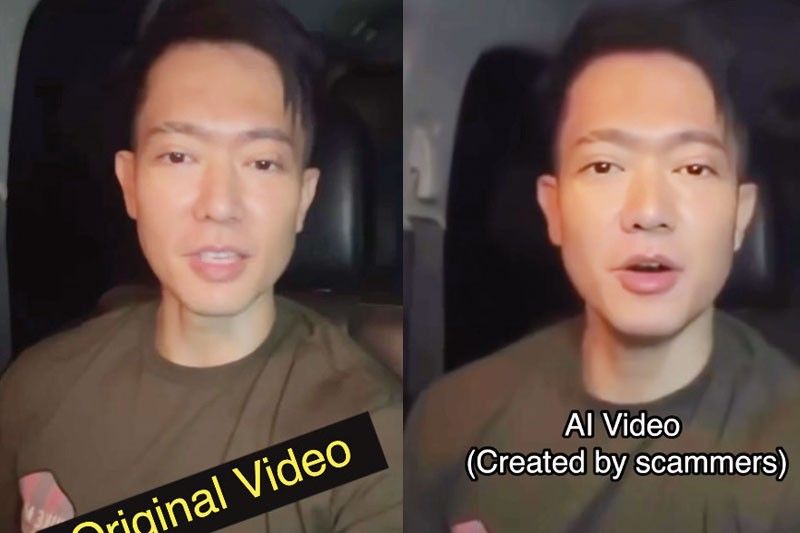
MANILA, Philippines — Following a recent social media post, Ronnie Liang has revealed more details about an alarming scam that used artificial intelligence (AI) to impersonate him, deceive unsuspecting individuals and solicit money under the guise of romance.
“Inakusahan ako na ako daw yung nanghingi ng pera sa kanila,” Ronnie shared in a recent interview with select members of the press, including The STAR. “Inakusahan ako na niligawan ko sila, magkita kami sa (hotel), o nag-book ng flight, mag-meet up and magpadala ng pera gamit ang AI-generated video.”
The topic arose while Ronnie discussed his current GMA afternoon series “Akusada.” He recalled how shocked he was when he first heard about the claims. Scammers used AI-made videos and images of Ronnie, including footage of him in his military reservist uniform. Some victims were led to believe that he was stranded in Iraq and needed financial help. Others were asked to invest in cryptocurrency or send their credit card information.
The scheme went beyond deepfakes. It also included fake communication via messaging platforms. “They thought it was really me. May WhatsApp na nag-cha-chat... with my profile picture,” he said.
“I was shocked. I said, ‘I never do that.’ Hindi ako yun… At hindi ko naman ginawa talaga.”

According to him, several victims — mostly women from Europe, the U.S., Canada, Singapore, Hong Kong and Thailand — sent him direct messages after falling for the scam.
There were also Filipinos who were misled into believing it was really him asking to meet in hotels. “Yung iba, oo. Pero nalaman na nila eventually na hindi ako yun (because no Ronnie Liang showed up),” he said.
The deception, however, was so convincing, it naturally unsettled the singer. “Kinabahan talaga ako kasi pati boses, pati mata, paano yung bukas ng bibig, pati yung name (while) nag-vi-video call.”
He estimated that the amount involved in the scam could reach more or less $500,000. One Korean victim reportedly sent 1 million won to the scammer.
Ronnie reiterated that he has never and will never ask for money in exchange for “romance.”
“Hindi po. Sana binigay na lang nila sa Ronnie Liang Project Ngiti Foundation or instead sent them as stars,” he mused. “Pero hindi ako hihingi ng libo-libong dolyar sa ngalan ng panliligaw.”
“May nagsasabi ikaw na, ganun, pero kawawa kasi… Maraming nangangailangan ng pag-ibig talaga.”
He became fully aware of the scam when victims began reaching out to him directly. “During my FB live, they would ask me if I received the money, if I received the package,” he recalled.
“Yung iba (other messages) iniisip ko baka fake din, kasi ilang beses na rin ako nag-warning… baka gusto lang mag-reply ako at gagamitin. Pero yun na nga, when they sent it, I just replied, ‘This video is fake, this is not me.’ Yun na lang. Copy-paste na lang ako and auto-reply.”
To further set the record straight, Ronnie posted clarifications online, including videos and screenshots of messages that he secured the permission to share to the public. He showed The STAR side-by-side comparisons of the AI-generated content and his actual live videos, some featuring eerily similar voices, others sounding entirely different.
“Through posting, yun ang kaya gawin,” he said. “But my frustration is that they know the account name is different, but they still send the money to a bank account or GCash. They know it’s a different name, they still send it. They know the address of who will receive the package, and it’s not Ronnie Liang — I have a verified FB — it’s a different name, and yet they still send it.”
Asked by this paper on whether he had sought help from local authorities, Ronnie responded, “Hindi namin ma-trace eh. Wala tayong jurisdiction. Papa-interpol pa ba ako?... All I can do for now is to give them warning and I need (the media’s) help.”
In a STAR report last February, US-based cybersecurity firm Tenable warned of a surge in AI-driven romance scams targeting victims worldwide. Scammers employed generative AI to create emotionally persuasive messages and deepfake videos, thus making their schemes more believable and harder to detect.
In a separate BusinessWorld report, Moody’s reported a 14 percent year-on-year rise in entities and individuals potentially linked to romance scams last year, reaching 1,193, the highest figure in six years. The US accounted for the largest share of new scam profiles, followed by Nigeria, India, the UK, Malaysia and China, the Philippines, Brazil, and Canada and Australia. Meanwhile, there was a viral story about a French woman who lost $850,000 after scammers convinced her she was dating Hollywood star Brad Pitt.
As for any advice to the public amid growing AI-related scams, Ronnie said, “Please be careful. Be observant, be vigilant. Maging maingat po, especially when money is already involved. Hindi po gagawin ng isang artista ang manligaw at mag-solicit ng pera.”
“How many times I’ve warned them. But I feel sorry for them. I felt very sad for their losses… their disappointment and frustration.
“(My realization?) Maraming malungkot sa mundo. Madaming naghahanap ng kaligayahan. Pero sana mag-ingat sila.”


- Latest
- Trending