Fuel excise tax bill skips bicam, awaits Marcos Jr. nod

MANILA, Philippines — The measure granting President Marcos the emergency power to suspend or reduce fuel excise taxes is now headed to Malacañang for his signature, officially bypassing the bicameral conference committee.
Senate President Vicente Sotto III announced at the plenary yesterday afternoon that the House of Representatives has formally adopted the Senate’s version of the measure, eliminating a crucial and often time-consuming legislative hurdle.
“For the info of our colleagues and the public: as of two minutes ago, 3:39 p.m., the House of Representatives has adopted Senate Bill 1982 as an amendment to House Bill 9418,” Sotto said.
“That forgoes the bicam. Automatically enrolled bill, copy will be sent to the President,” he added.
The direct adoption by the lower chamber is designed to expedite the measure’s enactment amid the escalating Middle East oil crisis. The measure was earlier certified urgent by Marcos.
The measure empowers the executive to temporarily suspend or cut fuel excise taxes if the average price of Dubai crude oil breaches $80 per barrel for a sustained period of one month.
With the House’s adoption, the measure is now considered an automatically enrolled bill, avoiding the lengthy debates that typically occur during a bicameral conference where differing provisions are reconciled.
Once signed into law by the President, the economic relief measure is expected to lower gasoline prices by P11.20 per liter and diesel by P6.72 per liter.
However, economic managers previously estimated it will take 30 to 45 days for pump prices to fully reflect the tax cuts, as oil companies must first deplete their existing inventories purchased under the taxed rates.
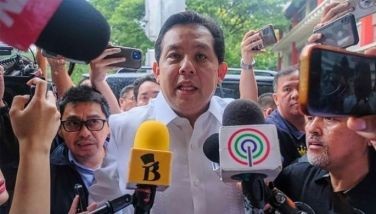
Rep. Miro Quimbo, chairman of the House ways and means committee, announced the chamber’s decision to adopt the Senate version at the plenary.
“In a situation such as this, every moment is critical and swift legislative action is essential to mitigate the impact of rising fuel costs on the public and broader economy,” Quimbo said.
He said the adoption of SB 1982 was meant “to expedite its enactment.”
“Senate Bill 1982 substantially mirrors House Bill 8418, which the House of Representatives approved on third reading on March 16, with only minor amendments,” Quimbo said.
“In light of this urgency, I have formally written to Majority Leader Marcos to recommend that the House adopt the Senate version of the measure to expedite its enactment,” Quimbo said.
“The House has acted with urgency, mindful of the growing burden on Filipino families and businesses. This measure ensures that government can respond swiftly, decisively and responsibly when global conditions place pressure on domestic prices,” Rep. Marcos said.
Meanwhile, Energy Secretary Sharon Garin said she is in favor of temporary adjustments in fuel excise tax as one way of cushioning the impact of rising oil prices on the general public.
Garin stressed that reducing or suspending the excise tax on fuel is a necessary response to elevated oil prices driven by international markets.
“If you reduce or suspend excise tax, it doesn’t have to be nine months,” Garin told ANC yesterday. “It could be shorter than that, or it doesn’t have to be the whole P6.”
“The uncontrollable fuel price is really the problem, so we buffer the impact through targeted subsidies and, hopefully, the reduction of excise tax,” she added.
Garin said economic managers need to decide how much revenue the government can forgo because “everybody’s suffering” in the current situation.
The Department of Finance earlier warned that pausing the collection of fuel excise tax would cost the government P136 billion in revenue.
Stakeholders are divided over whether to prioritize the tax holiday or targeted subsidies.
Former socioeconomic planning chief Winnie Monsod, for instance, called the government’s move “very wrong,” proposing instead a three percent wealth tax on the country’s 50 wealthiest billionaires, which could generate P137 billion.
Others, like Sergio Ortiz-Luis Jr., president of the Employers’ Confederation of the Philippines, favor easing taxes as a way to give back to the public.
“We’re not exactly fond of this dole out and targeted giving,” Ortiz-Luis told One News. “What we can say is the President is right: take away the excise tax and some of the VAT, to the extent that people are saying the stolen money from the flood scandal should be returned.” - Delon Porcalla, Jose Rodel Clapano, EJ Macababbad







- Latest
- Trending