


New challenge for Esguerra
March 17, 2004 | 12:00am
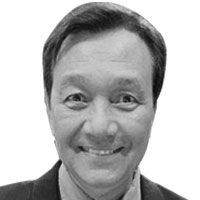
With four-time Horse of the Year awardee Windblown retired to stud, stable owner Hermie Esguerra is looking forward to the next phase in the storybook career of his seven-year-old thoroughbred.
Esguerra, 50, hopes to preserve Windblown’s memory by offering major rewards for its champion offspring. He recently tied up with Pioneer Insurance to provide bonus prize money for any of Windblown’s offspring that wins stakes races. For instance, he will match the P1 Million purse in each leg of the Triple Crown and add P3 Million to the kitty for a sweep starting in 2008. The unprecedented incentive package begins in 2007 for races like the Marho Cup, except the Triple Crown, which is for three-year-olds.
Windblown is in the record books as the winningest horse in Philippine circuit racing history. Esguerra bought the horse from Sandy Javier for P1.2 Million in late 1999 and it earned about P19 Million in topping 36 career races, including 24 stakes crowns. The prized horse, out of Hazm and Wind In My Hair, traces its bloodline to a slew of Kentucky-bred winners all the way back to the legendary Northern Dancer.
Esguerra’s fascination with race horses was influenced by former Bulacan Rep. Jun Rivera. He gave up almost a daily routine of golf to immerse himself in building the country’s largest horse stable only four years ago. Today, he owns some 140 horses and a 27-hectare farm in Lipa.
Esguerra had never been exposed to horseracing before so when he was prodded by Rivera to ask two horses from Rep. Tony Boy Floirendo’s stable, it was like a leap of blind faith. The two horses, King Air and Tomahawk, didn’t turn out to be winners but Esguerra’s third property, Tumataginting, bagged P300,000 in a stakes race. He was on the way to a glory ride.
Esguerra says his first trainer Bogie Fernandez is still an employee and from being strictly an owner, he’s metamorphosed into a breeder.
Money isn’t the juice that motivates Esguerra to make horseracing history. He’s invested a tidy sum—-estimated to be several millions—-in the sport and he doesn’t expect to get it back. There’s a lot more to it than money. It’s the passion to own, nurture and breed a winner that drives Esguerra more than anything else.
As a rule, Esguerra doesn’t bet on his horses. That’s not his style. He’ll never get trapped in a situation where the money game becomes more of a priority than the sport itself.
Horseracing was far from Esguerra’s mind as a boy. The native of Plaridel, Bulacan, is the seventh of eight children and lost his father, who died of cancer, when he was only four. His mother took care of putting food on the family table and sending her kids to school.
Esguerra studied in a high school seminary then went to the University of the East, hoping to make it to the basketball varsity under coaches Baby Dalupan and Pilo Pumaren. He showed up for tryouts but eventually got discouraged because of the competition for playing slots. Among the Warriors in the team at that time were Robert Jaworski, Epoy Alcantara, Tito Varela, Rudy Kutch and Johnny Revilla.
Although he failed to break into the varsity, Esguerra remained faithful to the sport. He cheered lustily for Crispa, Yco and Tanduay in the commercial cage leagues.
In 1985, Esguerra laid out the foundations of what is now his business empire, the Herma Group. A self-made man, he built a fleet of 25 tankers and established a worldwide network trading in oil. He bought the Baseco shipyard from the Romualdez group and took care of refueling ships that dock on his wharves. He became a major supplier of bunker fuel.
As his fortune grew, Esguerra didn’t lose sight of doing his bit for sports. In 1987, he managed a group of six professional fighters. A few years later, he responded to an appeal in The Star for contributions to finance the making of uniforms of the Philippine basketball team bound for the Beijing Asian Games. In 1997, he was drafted by Philippine Bowling Congress president Ben Lista to take care of the national bowling team at the Southeast Asian Games. Esguerra never sought anything in return for his contributions to sports. That’s his nature.
Two years ago, Esguerra was asked by Clean & Green Foundation chair Amelita Ramos to get involved in the Pasig River rehabilitation as chairman of the Piso Para Sa Pasig’s flagship project, the annual 42-kilometer Heritage Marathon crossing 13 bridges of the winding waters.
Esguerra begged off, citing doctors’ orders to slow down, but promised to be a "silent observer" in the marathon.
This year, Esguerra was again asked by Mrs. Ramos to chair the Heritage Marathon. He accepted on condition it would be linked to an advocacy to promote wide-scale awareness for the restoration of the river to Class C status where fish may propagate and rowing competitions may be held.
Esguerra says his barges ply the Pasig River to deliver fuel to the Pandacan oil terminal and is aware of the extent of its deterioration. He laments the lack of respect of communities and certain commercial establishments by throwing liquid and solid waste into the water with impunity.
"In Bangkok, you see respect for the river which people navigate to do business," says Esguerra. "In Paris, you see the Seine River—-so rich in culture, well-lit and decorated. In Korea, you see the people showing respect to the river. That’s what we hope to achieve in our campaign for the Pasig River. We want to educate our people to respect the Pasig and not pay P2 so they can deposit their human waste in the river."
Esguerra says during the Cory Administration, a Danish government-funded study concluded that the Pasig River is "not dead but dying" and its pollution consists of 10 percent solid waste, 45 percent liquid waste from communities and 45 percent liquid waste from commercial establishments.
When Esguerra decided to get involved in the Pasig River rehabilitation, he says he did it with all his heart.
"When I get involved in something, it’s 100 percent or nothing—-just like in horseracing," he says. "Now that I’m involved in the rehabilitation project, I’m seeing a lack of cohesiveness and coordination among the groups that are supposed to be united in the crusade. It’s like the left hand doesn’t know what the right hand is doing. The rehabilitation fund has gone down from P50 Million to P20 Million because of various projects but I want to know if we are coming close to achieving our goal of transforming the Pasig River into a Class C river."
A few days ago, Esguerra wrote a letter to Mrs. Ramos with copies forwarded to Secretary Emilia Boncodin and Secretary Elisea Gozun. With the fourth Heritage Marathon over, Esguerra wondered what the next step is.
"Are there immediate follow-up activities to sustain the interest on the residents and industries staying along the riverbanks?" he asked. "The youth who participated in the choral competition, are they still singing for the cause to save the Pasig River? What about the media, are they still promoting our crusade for awareness? The politicians, legislators and the local government units, are their offices rallying for the Pasig River advocacy?"
For Esguerra, the race is far from over. The challenge has just begun.
Esguerra, 50, hopes to preserve Windblown’s memory by offering major rewards for its champion offspring. He recently tied up with Pioneer Insurance to provide bonus prize money for any of Windblown’s offspring that wins stakes races. For instance, he will match the P1 Million purse in each leg of the Triple Crown and add P3 Million to the kitty for a sweep starting in 2008. The unprecedented incentive package begins in 2007 for races like the Marho Cup, except the Triple Crown, which is for three-year-olds.
Windblown is in the record books as the winningest horse in Philippine circuit racing history. Esguerra bought the horse from Sandy Javier for P1.2 Million in late 1999 and it earned about P19 Million in topping 36 career races, including 24 stakes crowns. The prized horse, out of Hazm and Wind In My Hair, traces its bloodline to a slew of Kentucky-bred winners all the way back to the legendary Northern Dancer.
Esguerra’s fascination with race horses was influenced by former Bulacan Rep. Jun Rivera. He gave up almost a daily routine of golf to immerse himself in building the country’s largest horse stable only four years ago. Today, he owns some 140 horses and a 27-hectare farm in Lipa.
Esguerra had never been exposed to horseracing before so when he was prodded by Rivera to ask two horses from Rep. Tony Boy Floirendo’s stable, it was like a leap of blind faith. The two horses, King Air and Tomahawk, didn’t turn out to be winners but Esguerra’s third property, Tumataginting, bagged P300,000 in a stakes race. He was on the way to a glory ride.
Esguerra says his first trainer Bogie Fernandez is still an employee and from being strictly an owner, he’s metamorphosed into a breeder.
Money isn’t the juice that motivates Esguerra to make horseracing history. He’s invested a tidy sum—-estimated to be several millions—-in the sport and he doesn’t expect to get it back. There’s a lot more to it than money. It’s the passion to own, nurture and breed a winner that drives Esguerra more than anything else.
As a rule, Esguerra doesn’t bet on his horses. That’s not his style. He’ll never get trapped in a situation where the money game becomes more of a priority than the sport itself.
Horseracing was far from Esguerra’s mind as a boy. The native of Plaridel, Bulacan, is the seventh of eight children and lost his father, who died of cancer, when he was only four. His mother took care of putting food on the family table and sending her kids to school.
Esguerra studied in a high school seminary then went to the University of the East, hoping to make it to the basketball varsity under coaches Baby Dalupan and Pilo Pumaren. He showed up for tryouts but eventually got discouraged because of the competition for playing slots. Among the Warriors in the team at that time were Robert Jaworski, Epoy Alcantara, Tito Varela, Rudy Kutch and Johnny Revilla.
Although he failed to break into the varsity, Esguerra remained faithful to the sport. He cheered lustily for Crispa, Yco and Tanduay in the commercial cage leagues.
In 1985, Esguerra laid out the foundations of what is now his business empire, the Herma Group. A self-made man, he built a fleet of 25 tankers and established a worldwide network trading in oil. He bought the Baseco shipyard from the Romualdez group and took care of refueling ships that dock on his wharves. He became a major supplier of bunker fuel.
As his fortune grew, Esguerra didn’t lose sight of doing his bit for sports. In 1987, he managed a group of six professional fighters. A few years later, he responded to an appeal in The Star for contributions to finance the making of uniforms of the Philippine basketball team bound for the Beijing Asian Games. In 1997, he was drafted by Philippine Bowling Congress president Ben Lista to take care of the national bowling team at the Southeast Asian Games. Esguerra never sought anything in return for his contributions to sports. That’s his nature.
Two years ago, Esguerra was asked by Clean & Green Foundation chair Amelita Ramos to get involved in the Pasig River rehabilitation as chairman of the Piso Para Sa Pasig’s flagship project, the annual 42-kilometer Heritage Marathon crossing 13 bridges of the winding waters.
Esguerra begged off, citing doctors’ orders to slow down, but promised to be a "silent observer" in the marathon.
This year, Esguerra was again asked by Mrs. Ramos to chair the Heritage Marathon. He accepted on condition it would be linked to an advocacy to promote wide-scale awareness for the restoration of the river to Class C status where fish may propagate and rowing competitions may be held.
Esguerra says his barges ply the Pasig River to deliver fuel to the Pandacan oil terminal and is aware of the extent of its deterioration. He laments the lack of respect of communities and certain commercial establishments by throwing liquid and solid waste into the water with impunity.
"In Bangkok, you see respect for the river which people navigate to do business," says Esguerra. "In Paris, you see the Seine River—-so rich in culture, well-lit and decorated. In Korea, you see the people showing respect to the river. That’s what we hope to achieve in our campaign for the Pasig River. We want to educate our people to respect the Pasig and not pay P2 so they can deposit their human waste in the river."
Esguerra says during the Cory Administration, a Danish government-funded study concluded that the Pasig River is "not dead but dying" and its pollution consists of 10 percent solid waste, 45 percent liquid waste from communities and 45 percent liquid waste from commercial establishments.
When Esguerra decided to get involved in the Pasig River rehabilitation, he says he did it with all his heart.
"When I get involved in something, it’s 100 percent or nothing—-just like in horseracing," he says. "Now that I’m involved in the rehabilitation project, I’m seeing a lack of cohesiveness and coordination among the groups that are supposed to be united in the crusade. It’s like the left hand doesn’t know what the right hand is doing. The rehabilitation fund has gone down from P50 Million to P20 Million because of various projects but I want to know if we are coming close to achieving our goal of transforming the Pasig River into a Class C river."
A few days ago, Esguerra wrote a letter to Mrs. Ramos with copies forwarded to Secretary Emilia Boncodin and Secretary Elisea Gozun. With the fourth Heritage Marathon over, Esguerra wondered what the next step is.
"Are there immediate follow-up activities to sustain the interest on the residents and industries staying along the riverbanks?" he asked. "The youth who participated in the choral competition, are they still singing for the cause to save the Pasig River? What about the media, are they still promoting our crusade for awareness? The politicians, legislators and the local government units, are their offices rallying for the Pasig River advocacy?"
For Esguerra, the race is far from over. The challenge has just begun.
BrandSpace Articles




<
>
- Latest
- Trending
Trending
Latest






Recommended