A free and independent media: Shaping a future at peace
World Press Freedom Day is marked on May 3 all over the world and is an important moment to reaffirm our shared commitment to freedom of expression and free media.
Fittingly, this year’s theme is “Shaping a Future at Peace.” At a time when international peace seems more elusive than it has for a long time, it is especially important to highlight the role that a free, independent, pluralistic media can help to achieve peace – and sustain it.
Press freedom is an essential pillar of any democratic society. Yet, according to UNESCO’s World Trends Report 2022-2025, global media freedom is in steep decline all over the world. We are encouraged by the improvements in the last World Press Freedom Index ranking of the Philippines, but also recognize the references to continuing challenges, physical attacks and economic pressures on journalists.
Such harassment and attacks against journalists undermine a healthy and functioning democracy. Journalists must be able to investigate and report independently, without fear, and the media must have editorial independence.
In conflict-affected settings, independent journalism is particularly critical. Journalists can help keep people safe by providing accurate information on conflict as it unfolds. Public interest journalism can strengthen information integrity and act as an important bulwark against disinformation and propaganda, both of which are likely to increase as the security situation worsens.
The UK and Finland – as co?chairs of the Media Freedom Coalition – are therefore committed to defending the vital role of a free, independent and pluralistic media, as well as the safety and wellbeing of journalists, as an essential element of both democratic resilience and the rules?based international system.
The Media Freedom Coalition brings together 51 countries from six continents, united in their commitment to improving media freedom and the safety of journalists. MFC member-states work closely with civil society, legal experts, international bodies such as UNESCO, as well as journalists and media workers themselves.
Together our members work to strengthen the legal, policy and economic conditions for independent media. We influence governments, state actors and other powerful individuals and hold perpetrators of crimes against journalists to account. We improve protection for journalists and media organizations. And we mobilize coordinated, collective action among members.
Building societal resilience through media and digital literacy is essential for comprehensive security. Having a free and fair press in an age of misinformation and disinformation is more important than ever. It is vital that the public have access to accurate and trustworthy information from a range of different sources. People are, and feel, more secure when there are transparent political and judicial institutions, and journalists and media workers are free to do their work.
Media literacy is an important element of civic participation. In Finland, media literacy is considered a foundational life skill, embedded across the education system as a cross-disciplinary competence from early childhood through to adult learning. Rather than a standalone subject, it is integrated into all teaching, equipping individuals to critically assess information, navigate digital environments and engage responsibly in public discourse. This approach not only strengthens civic competence, but also underpins national security and societal resilience. A population capable of identifying misinformation and understanding the information environment is better equipped to withstand external influence, polarization and manipulation. The approach has been successful, as Finland has placed first in the Media Literacy Index since it was first published in 2017.
In the UK, the protection of independent journalism is a priority of the government. One of the ways by which this is implemented is through the UK National Action Plan on the Safety of Journalists, which aims to protect journalists from abuse and harassment and increases awareness of the safety challenges faced by journalists operating in the UK. It introduces measures through the joint effort of the National Committee for the Safety of Journalists (NCJS), chaired by ministers, and brings together representatives from government, journalism, policing, prosecution services and civil society to ensure that journalists operating within the UK can do so free from physical threats, abuse and violence.
So, as we mark this anniversary, the Media Freedom Coalition Embassy Network in the Philippines remains committed to collaborating with stakeholders to further strengthen media freedom.
* * *
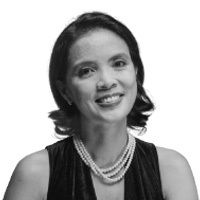
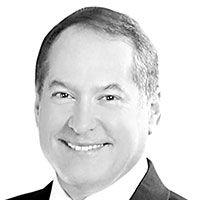
Sarah Hulton OBE is the British Ambassador to the Philippines; Saija Nurminen is the Finnish Ambassador to the Philippines.


- Latest
- Trending