Electricity prices seen to spike in April
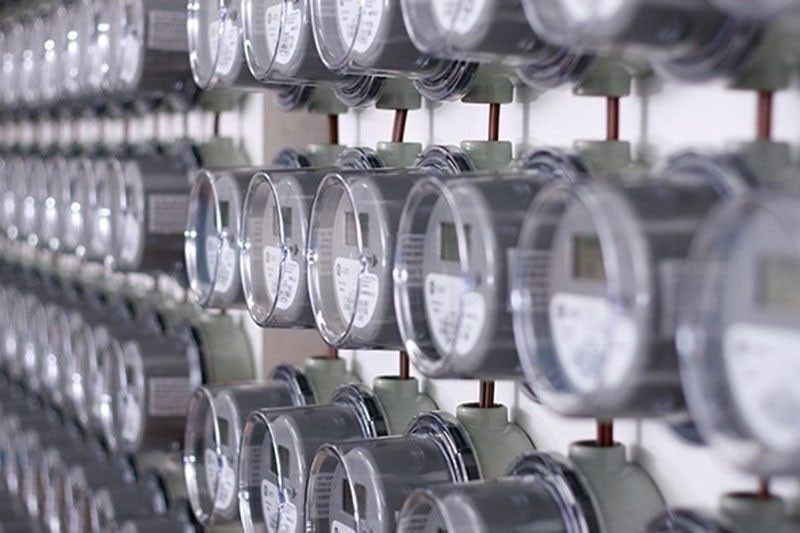
BAGUIO CITY, Philippines — Electricity prices at the country’s spot market may rise by up to P4 per kilowatt-hour (kWh) next month due to the combined impact of the Middle East war and higher summer demand, a top energy official said.
Energy Regulatory Commission (ERC) chairman and CEO Francis Saturnino Juan indicated a potential hike of “P2 to P4 per kWh” if the global oil crisis persists while electricity demand rises during the dry season.
“This will be the impact: the marginal plant will be running on oil, so if the price of oil is like this, then this will be the kind of offers they will submit,” Juan said on the sidelines of the 2026 Philippine Electric Power Industry Forum yesterday.
The estimates were based on the simulations conducted by the Independent Electricity Market Operator of the Philippines, which operates the Wholesale Electricity Spot Market (WESM).
If the upper end of the estimate is reached, it would more than double the average system-wide WESM price, which only settled at P3.50 per kWh in February.
Juan, however, noted that the upward movement in WESM prices would not necessarily translate to higher power generation charges, which usually account for more than half of consumer power bills.
“This is because it depends on the power utilities’ level of exposure to WESM. That’s why we also monitor how exposed they are,” he said. WESM is the centralized venue for electricity trading where power utilities like Meralco can source their energy requirements.
“If their WESM exposure is large and the increases hit that (price) level, then they will bear the brunt of it,” Juan said.
The Philippines saw the biggest single jump in local fuel prices this week, as the US-Israel war on Iran, which broke out late in February, disrupted supply deliveries, particularly oil and gas shipments, through the Strait of Hormuz.
For this month, the adjustment in electricity rates does not yet reflect the impact of the Middle East war, as charges only cover supply from February billings.
Amid a looming spike in power rates, the ERC chief assured the public that regulatory safeguards such as the secondary price cap would be in place.
The secondary price cap refers to the preemptive mitigating measure imposed on the WESM to prevent sustained high prices while allowing generation companies to continue operating during peak demand.
Energy-saving
Meanwhile, representatives from the Department of Energy (DOE) are now conducting nationwide audits and spot checks in government offices to ensure that they adhere to energy-saving measures.
All government entities must comply with Memorandum Circular 114 and a March 4 directive from the Inter-Agency Energy Efficiency and Conservation Committee to cut fuel and electricity consumption by 10 to 20 percent by the end of 2026. Energy Secretary Sharon Garin chairs the committee.
Assessors, according to the agency, check whether offices set their air-conditioners above 24 degrees Celsius, use efficient lighting systems, adopt fuel-saving practices for their vehicles, implement flexible work arrangements and submit timely data through the government’s in-house monitoring system.
“At a time when energy must be managed with greater discipline and responsibility, government institutions must set the standard by showing that conservation can be practiced every day without compromising service to the public,” Garin said in a statement on Thursday.
“Every unit of energy saved in government helps reduce unnecessary costs, promotes greater efficiency in public operations and reflects our duty to use public resources wisely,” she added.
Government offices are implementing compressed workweeks to reduce electricity costs for one day.
Asked if these initiatives are effective, Joe Zaldarriaga, Meralco vice president and head of corporate communications, on Tuesday urged consumers instead to be wiser in using electricity because while workplaces may save costs, households may see an uptick in their bills.





- Latest
- Trending