


DOH to release ‘ghost’ health centers list next week
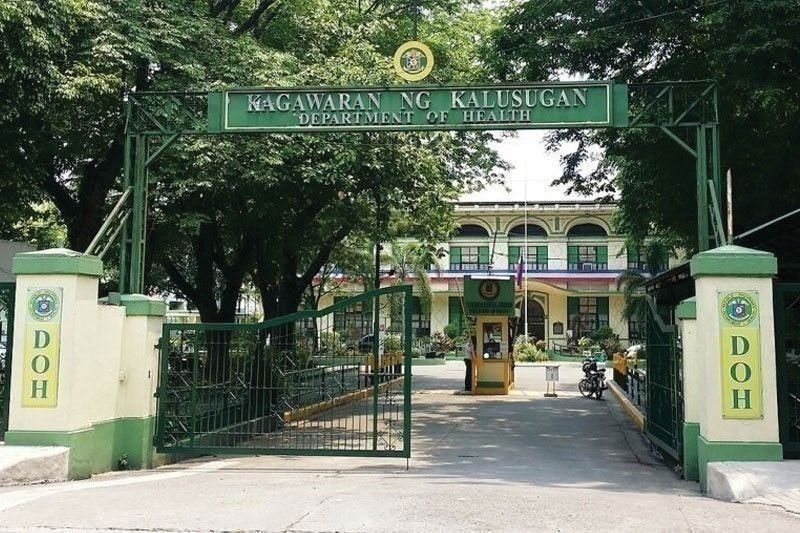
MANILA, Philippines — The Department of Health (DOH) is set to release next week a list of completed but non-functional health facilities built under its Health Facilities Enhancement Program (HFEP), some of which lawmakers recently flagged as “ghost health projects.”
Health Secretary Ted Herbosa disclosed that despite substantial funding provided to local government units (LGUs) for building health centers, around 70 percent of the facilities remain idle and inoperative.
“A large amount of money was already given to local government units but I’m saddened that it was reported to me that only 30 percent of completed health centers are functional,” Herbosa said. “Just wait, by next week I can name them. I will name all these facilities.”
Herbosa explained that the DOH entered into a memorandum of agreement with LGUs when supporting the construction of health centers.
Under the MOA, the LGU is responsible for hiring personnel and operating the facility, since it holds ownership.
Despite the facilities’ underutilization, Herbosa clarified that he does not intend to assign blame.
“My idea is not to blame people. I don’t want heads to roll. I want to make them (facilities) functional. There are ways to make them functional,” he said.
He proposed various options, including operating the facilities through DOH personnel with mayoral agreements or partnering with the private sector.
He mentioned that under PhilHealth’s Yakap (Yaman at Kalusugan) program, private entities may be allowed to run the facilities and receive compensation through primary care services.
The issue came to light after Congress questioned the status of the HFEP, noting that only 200 out of 600 health centers built were found to be functional.
Fewer midwives
In a separate development, Herbosa raised concern over the declining number of midwives in the country, despite their vital role in delivering primary health care, especially in rural communities.
“Numbers are decreasing…We need more midwives,” Herbosa told participants at the Midwives Summit held in Quezon City.
He emphasized the need to produce more young midwives to strengthen the country’s primary health care system, alongside doctors, nurses, nutritionists and barangay health workers.
Midwives, he added, can contribute significantly to administration, health counseling and family planning services.
The DOH pointed to policy shifts as contributing factors to the decline, particularly the transfer of the midwifery scholarship program from the DOH to the Commission on Higher Education (CHED) in 2024.
Herbosa said he plans to meet with CHED to push for DOH involvement in the selection and deployment of health scholars, including midwifery graduates.
“All the graduates of nursing, midwifery, medicine need to serve the DOH,” he stressed, noting that public funds are used to support their education.


- Latest
- Trending


