Rice tariff collections reach nearly P17 billion
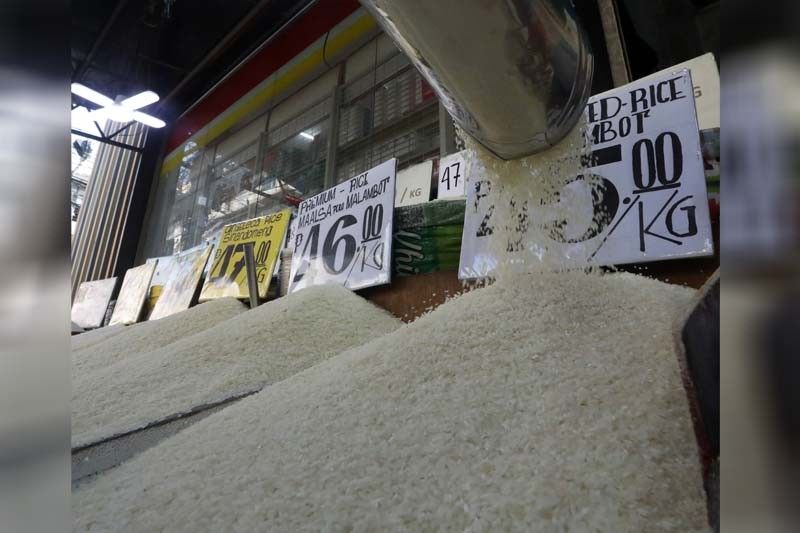
MANILA, Philippines — Tariff collections from rice imports have increased to nearly P17 billion despite lower volume of inward shipment.
During a press briefing at Malacañang yesterday, Bureau of Customs Commissioner Bienvenido Rubio said preliminary rice tariff collection has reached P16.81 billion from January to Aug. 26 or six percent above the P15.82 billion posted in the same period last year, and representing 75 percent of the total revenue of P22.74 billion from import duties for full year 2022.
Higher revenues were reported despite a lower import volume of 2.257 million metric tons, down 15 percent from 2.675 million MT in end-August last year.
Global prices were on uptrend in the past months due to supply constraints stemming from various policy actions of rice-producing countries.
Likewise, the latest collection is above the mandated annual appropriation of P10 billion to fund programs for farm mechanization, seed development, propagation and promotion, credit assistance and extension services.
It has been mandated that any excess in tariff revenues due to the Rice Tariffication Law (RTL) is allocated for financial assistance to rice farmers, titling of agricultural rice lands, expanded crop insurance program and crop diversification program under the Rice Competitiveness Enhancement Fund (RCEF).
Broken down, P5 billion of the RCEF would be issued for the procurement of rice farm equipment; P3 billion for the development, propagation and promotion of inbred seeds to be distributed among palay farmers; P1 billion for beefing up state-owned banks’ credit facility for palay farmers and cooperatives and P1 billion for payment for extension services of concerned agencies teaching skills in rice crop production, modern farming techniques, seed production and farm mechanization.
At the same briefing, Rubio said President Marcos ordered the BOC to validate all warehouses stocked with imported rice as part of efforts to quell hoarding and illegal importation.
“We will then issue letters of authority to conduct inspection and see whether these imported rice that are stored are paid with correct duties and taxes,” Rubio said.
“If we find people involved in the release of smuggled rice, we will file cases against them,” he said.





- Latest
- Trending