


DILG urged to create shared water management among LGUs to avoid shortages
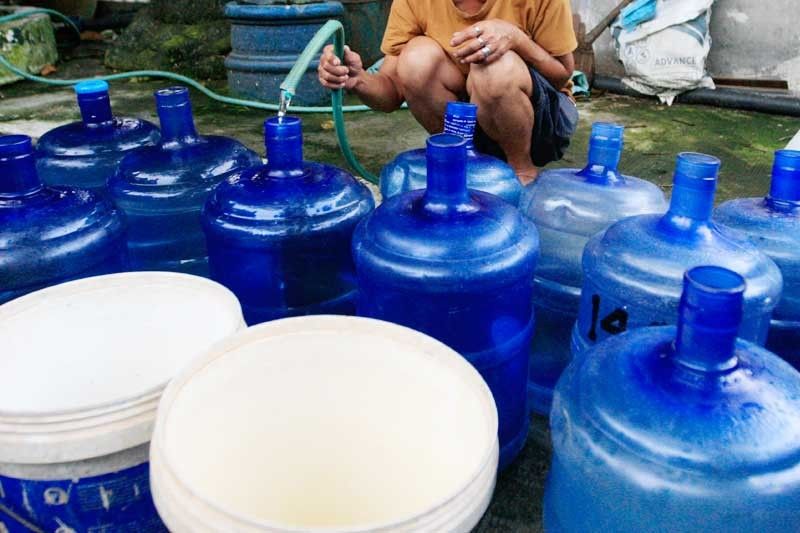
MANILA, Philippines — To ensure rural communities' access to water services amid the threat of dry spells during El Niño, a lawmaker has called on the Department of the Interior and Local Government to create guidelines for LGUs to consolidate water service providers.
Rep. Joey Salceda (Albay, 2nd District), chair of the House ways and means committee, floated a proposal for the DILG and the country’s economic managers to create "water alliances" or shared water management among LGUs to improve access to water services.
“Apart from (Local Water Districts), LGUs also provide water to rural communities. And this year, we are providing LGUs and LWDs some P18 billion in new water systems from the 2023 General Appropriations Act,” Salceda said in a statement.
“They can be better managed if they share resources—from pipelines to reservoirs,” he added.
Salceda also said the House is considering tweaking the bill for the National Water Act—which creates the Department of Water Resources—to require water districts and LGU-run water service providers to consolidate into “more efficient and economically-sensible” entities.
Salceda also called on the Local Water Utilities Administration to “be more aggressive in exercising its power to monitor local water districts for performance and to consolidate them for public welfare.”
“An effective LWUA is critical to dealing with the water crisis, because they supervise the hundreds of water districts that provide for urban and suburban populations outside Mega Manila,” he added.
Salceda said that while he supports the conduct of a national water inventory as led by the new LWUA administrator, he noted that inefficient or non-operational water districts need to be consolidated to ensure that operations and management of new water systems are efficient.
Concerns of water shortages
The call for consolidation of water service providers comes amid growing concerns over water scarcity ahead of the El Niño phenomenon, which is projected to start by the third quarter of 2023.
The country’s weather bureau has also forecasted that the country could experience below-normal rainfall levels in the coming months, which would have a drastic impact on the agriculture industry.
This has prompted the Marcos Jr. administration to create a new water management office and intensify information drives on water conservation.
RELATED: Marcos wants El Niño team, information drive on water and energy conservation
According to the National Water Resources Board in March, at least 11 million Filipino families still lack access to clean water.
Globally, the number of urban residents that will face water scarcity is expected to increase from 933 million in 2016 to between 1.7 and 2.4 billion in 2050 due to climate change and a growing demand that will outpace limited supply, according to the United Nation’s projections in March.


- Latest
- Trending


