DOST opens 2026 science week in Cebu
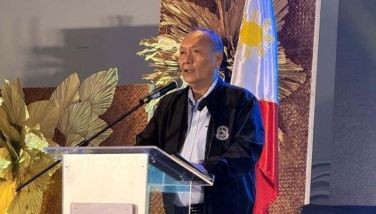
CEBU, Philippines — The Department of Science and Technology (DOST) officially opened the 2026 Regional Science, Technology, and Innovation Week (RSTW) in Central Visayas yesterday, July 13, at the Waterfront Cebu City Hotel, showcasing technologies aimed at improving public services, supporting businesses, promoting sustainable development, and strengthening disaster preparedness.
DOST Secretary Renato Solidum Jr. led the opening, joined by Undersecretary for Regional Operations Sancho Mabborang and Assistant Secretary for Countryside Development Maria Teresa de Guzman, Cebu Governor Pamela Baricuatro, and Mandaue City Mayor Thadeo Jovito “Jonkie” Ouano.
Running until July 15, the RSTW features discussions on artificial intelligence (AI), sustainable energy, technology transfer, startups, MSME development, and future industries.
One of the event’s highlights is the responsible use of AI, with DOST emphasizing its potential to improve government services, business operations, education, agriculture, and healthcare while promoting ethical use, data privacy, and human oversight.
The event also showcases locally-developed mobile games through the NEXT LEVEL: Game Development Challenge. The games focus on smart cities, Filipino traditional games, food security, and disaster response, demonstrating how digital technologies can support education, cultural promotion, and public awareness while creating opportunities in the creative industry.
Baricuatro assured DOST-7 of the Cebu Provincial Government’s continued support for its programs, saying investments in science, technology and innovation are vital to building a more competitive and resilient Cebu.
She said the province will continue backing DOST initiatives that promote food security, sustainable energy, innovation and stronger communities.
DOST also launched the DRONE Central Visayas Industry Development Action Plan and presented Mandaue City’s Smart and Sustainable Communities Program, with 124 local government units (LGUs) nationwide now participating.
Solidum said DOST is pursuing two priorities in drone technology: developing Filipino-made drones and promoting their use in various sectors.
“We wanted to look into developing startups or companies that produce drones, and also make sure that drone technology is used in agriculture, disaster monitoring and response, construction monitoring, and other applications,” he said.
Although no company has yet committed to large-scale drone production under the program, Solidum said DOST has already provided grants to several universities to develop drone technologies.
He added that DOST itself has developed different drone prototypes, including lightweight styrofoam drones designed to minimize damage in case they accidentally fall.
“We just buy the parts, but we have a Filipino company that we have been working with, and we are linking them with other regions,” he said, noting that locally-developed technologies also ensure better after-sales support.
On DOST’s Smart and Sustainable Communities Program, Solidum said 124 LGUs have already signed agreements with the agency, while about 26 more have submitted letters of intent, bringing the program close to its target of 150 LGUs.
Instead of following the global definition of a “smart city” which relies heavily on internet infrastructure, Solidum said DOST promotes practical technologies suited to the Philippine setting.
“Our approach is to identify the problems of the LGU, address those needs, and develop a roadmap so that projects continue even after the term of the mayor,” he said. The roadmap is intended to guide local governments in implementing long-term technology-driven development plans that can be institutionalized through local ordinances.
In Central Visayas, DOST-7 Regional Director Tristan Abando said DOST currently has nine pilot LGUs in Cebu and Bohol participating in the program.
Among those in Cebu are Mandaue City, Pinamungan, Cebu City, Dalaguete, and Pilar in Cebu, while in Bohol the participating LGUs include Inabanga, Tagbilaran City, Catigbian, and others.
Some LGUs are already implementing technology interventions, while others are still undergoing the road-mapping process.
Solidum said DOST provides technical guidance and initial assistance, while LGUs are expected to fund most of the implementation using their local resources.
The RSTW exhibits features DOST-supported technologies, locally-developed products, fuel-cell technology, electric vehicles, drones, 3D design and printing, short films, and game development projects.
According to DOST-7, the event aims to connect technologies with businesses, local government units, schools, and communities that can adopt them to improve productivity and innovation.
The three-day event is open to registered MSMEs, startups, students, educators, researchers, industry representatives, local government units, and other stakeholders. — (FREEMAN)



- Latest