


According to P.H.O.: Flu cases mount in quake shelters
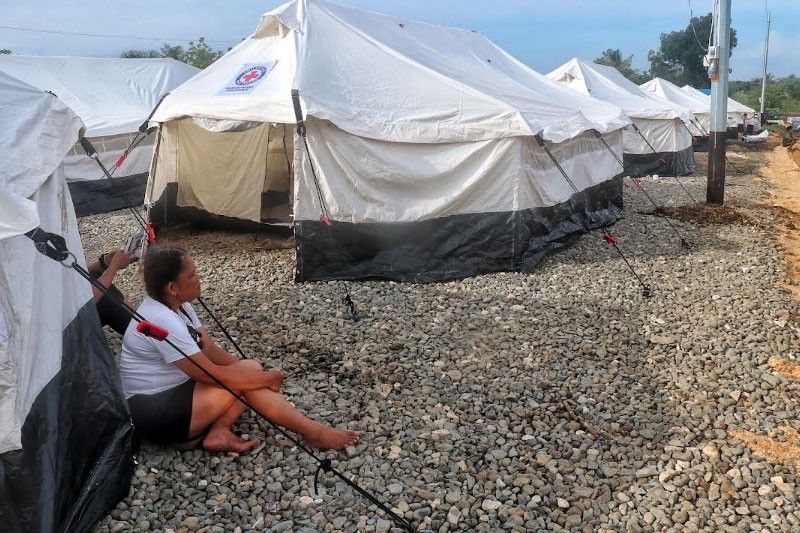
CEBU, Philippines — The Cebu Provincial Health Office (PHO) has recorded a total of 249 cases of acute respiratory illnesses (ARI) or influenza afflicting people who are living in makeshift temporary shelters, in various local government units, after the Sept. 30 earthquake.
According to PHO officer-in-charge, Dr. Mary Ann Josephine Arsenal, the spike in respiratory infections is likely due to the sudden change in weather combined with the living conditions in temporary shelters, where people are more exposed to humidity, and close contact with others.
PHO records, as of October 17, showed that the most number of ARI cases were in Daanbantayan with 69, San Remigio with 65, Bogo City with 60, and Medellin with 33. Borbon reported 16 cases, while Sogod and Tabuelan had none.
Additionally, at the Tent City in Barangay Cogon of Bogo City, six individuals were reported to have ARI cases as of October 20.
The data was gathered from local Rural Health Units (RHUs) and ongoing surveillance in areas most affected by the earthquake.
Arsenal clarified, however, that the cases are not alarming and are considered self-limiting viral infections that typically resolve themselves within seven to ten days.
“Viral man gud ning sakita. Self-limiting sad ni siya — mawala ra gyud siya even without medication,” she explained, assuring that most patients recover with rest, hydration, and vitamins.
The PHO started its disease surveillance operations on October 9, shortly after reports of respiratory symptoms among evacuees in temporary shelters began to surface.
Arsenal said the PHO has already distributed multivitamins, Lagundi syrup, and decongestants to affected localities to help boost the immune systems of residents and ease mild symptoms.
She added that elderly residents may receive annual flu vaccinations as a preventive measure, noting that such interventions are especially crucial in communal living setups.
The health official emphasized that, while there is a visible increase in ARI cases compared to previous months, it aligns with typical seasonal patterns observed during colder months.
“Mas taas gyud atong acute respiratory cases tungod sa atong climate. Especially sa northern part nga naapektuhan sa earthquake,” she said. Compared to last year’s, the entire Cebu province recorded 1,995 cases of ARI.
To ensure the province remains vigilant, Arsenal said that their team continues to monitor trends and coordinate with municipal health officers to quickly address any clustering of cases.
She reiterated that maintaining personal hygiene, proper ventilation, and hydration remains key to preventing the said viral infections
The PHO assured the public that it will continue to provide medical support and disease surveillance while rehabilitation efforts for quake-affected areas are ongoing.
Influenza not an outbreak
Meanwhile, Department of Health (DOH) Secretary Teodoro Herbosa earlier clarified that there is no outbreak of influenza-like illnesses (ILI) in the country.
In a recent statement, Herbosa explained that the increase in ILI cases is part of the usual seasonal flu trend during the colder months.
He added that ILIs include symptoms such as cough, colds, fever, sore throat, and body aches, which can be caused by different viruses, such as rhinovirus, and influenza A and B.
The World Health Organization (WHO) defines seasonal influenza as an acute respiratory infection that is common worldwide and spreads easily when infected individuals cough or sneeze.
WHO stresses that vaccination remains the best way to prevent the flu and reduce its spread, particularly among vulnerable populations.
Symptoms of influenza, according to WHO, include a sudden onset of fever, dry cough, headache, muscle and joint pain, sore throat, and runny nose. Most people recover within a week without medical treatment.
People with mild symptoms are advised to stay home, rest, drink fluids, and manage fever, while those with severe symptoms or existing health conditions are urged to seek medical attention.
High-risk groups include pregnant women, young children, senior citizens, and those with chronic illnesses or weakened immune systems. — (FREEMAN)


- Latest


