Toxic lead persists in Metro Manila air
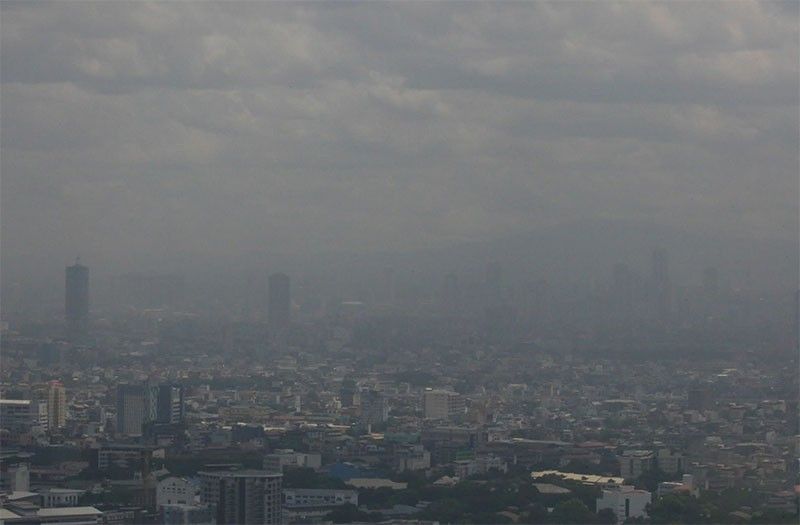
MANILA, Philippines — An international team that include researchers from Ateneo de Manila University Department of Physics and the Manila Observatory found that toxic lead persists in Metro Manila air, despite the ongoing fuel crisis and over two decades since the global phaseout of leaded gasoline.
The experts, who analyzed aerosol data from as far back as 2018 and 2019 using lead isotope fingerprinting, found modern industrial activities, fossil fuel combustion and legacy pollution as key sources of lead pollution in the metropolis.
“While the data was collected in 2018 and 2019, the conclusions remain relevant today. This research highlights the importance of monitoring atmospheric lead to ensure that we do not undo the gains from phasing out leaded gasoline,” said Maria Obiminda Cambaliza, study co-author and Ateneo de Manila University physics professor.
The study said that despite the phaseout of leaded gasoline as a primary pollutant, it said that industrial processes, such as e-waste recycling and smelting, contribute from 45 to 62 percent of atmospheric lead in Metro Manila’s air.
It added that fossil fuel use, including diesel and trace elements in unleaded gasoline, contributes another 30 to 45 percent.
“There are now contemporary sources of lead, mainly from industrial activities such as e-waste processing and fossil fuel combustion such as from diesel use and unleaded gasoline combustion. Indeed, trace amounts of lead may still come from unleaded gasoline,” Cambaliza said.
According to the experts, Metro Manila’s pollution is largely from local emissions, persisting year-round regardless of seasonal shifts in wind patterns.
These emissions are embedded in the material conditions of everyday life, the group added.
The experts said surging global oil prices may delay the transition to clean energy, discourage proper vehicle maintenance and heighten public exposure to toxic emissions.
The study noted that lead is heavily concentrated in fine particulate matter that can be inhaled deeply into the lungs and absorbed into the bloodstream, posing danger to children who are vulnerable to lasting developmental and neurological harm.
According to the experts, the Philippines has not updated its national monitoring in nearly 20 years and that one in three children worldwide has elevated blood lead levels.
The experts warned that without sustained intervention to address these emerging issues, the public health achievements of the past remain vulnerable to reversal amid increasing global uncertainty.







- Latest
- Trending